The Faculty of Mechanical and Aerospace Engineering (FTMD) ITB Welcomes Comparative Study Visit from the Indonesian Air Force (TNI AU) for Space Education Development
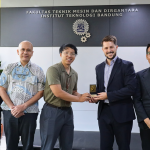
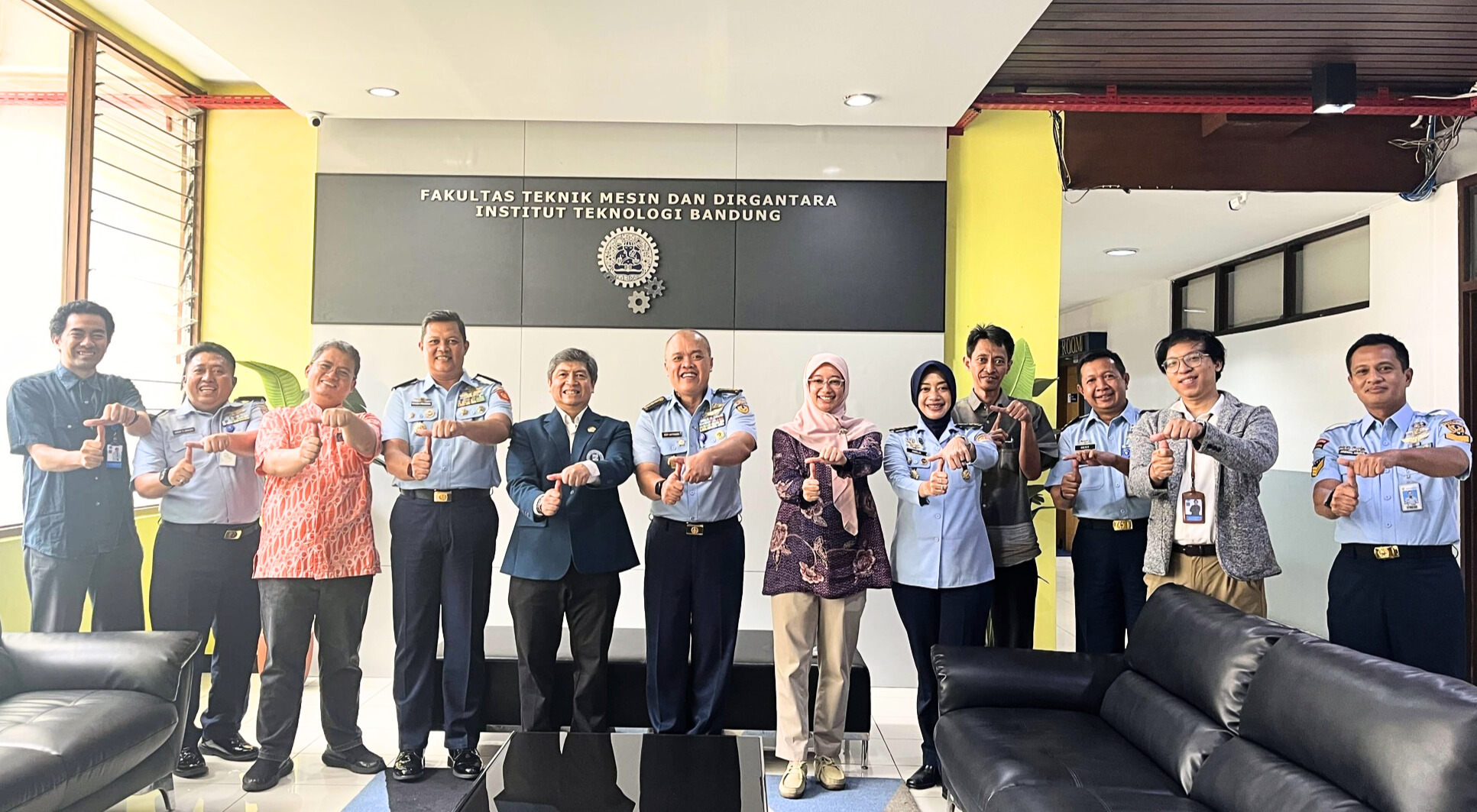
Bandung – On January 29 – 30, 2026, the Faculty of Mechanical and Aerospace Engineering (FTMD) at Institut Teknologi Bandung (ITB) received a visit from the Indonesian Air Force (TNI AU) Personnel Staff (Spersau). The primary objectives of this visit were to observe FTMD’s space education curriculum, explore research collaborations, and identify best practices for developing space-focused training within the Indonesian Air Force. This comparative study, under the theme “Organizational Validation as a Momentum to Strengthen Synergy and Collaboration Between Units Towards a More Powerful TNI AU,” supports the Indonesian Air Force’s broader strategy in advancing space education as an essential element of national defense.
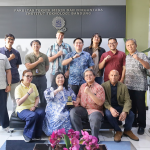
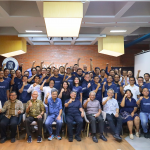
Dr. Ir. Annisa Jusuf, S.T., M., Head of the ITB Aerospace Engineering Undergraduate Study Program, and the lecturers warmly welcomed the Spersau delegation, led by Paban IV/Bindik Spersau, Kolonel Adm. Edy Affandi, M.Sc., and five team members. During the meeting, participants presented curricula, discussed teaching, reviewed educational facilities, and shared data on educational needs and development plans in a constructive atmosphere. As an outcome, both parties agreed to explore future collaboration and identified specific areas for joint educational initiatives.
In his remarks, the Indonesian Air Force (TNI AU) representative said space technology has made space a new strategic domain, after land, sea, and air. Space is crucial to modern defense, supporting military communications, navigation, remote sensing, and satellite-based monitoring. Similarly, Air Force Chief of Staff, Marsekal TNI M. Tonny Harjono stated that space is the future of national defense. Forming and strengthening a space unit is thus a priority in developing TNI AU’s strength.
During the two-day event, the comparative study gave the TNI AU insights into curriculum structure, learning methods, and evaluation systems. It also highlighted the development of student character in military education. The discussion addressed both technical competency and character development, which are crucial in academic and military settings.
In addition to presentations and discussions, the Spersau delegation inspected various educational facilities and laboratories that support learning and research in the aerospace sector. This inspection aimed to give a comprehensive overview of higher education infrastructure, including how theory, practice, and research are integrated.
Institut Teknologi Bandung, as a leading engineering higher education institution in Indonesia, provides strategic input on developing aerospace education syllabuses for the Indonesian Air Force. The discussion addresses career prospects for graduates, showcases faculty and student profiles, highlights research achievements and publications, and explores opportunities for research collaboration in aerospace and space technology.
Through this comparative study, the Indonesian Air Force (TNI AU) identifies concrete steps to prepare superior, adaptable human resources. Strengthening space education directly supports national defense independence and enhances Indonesia’s position in geopolitics and space technology.
The activity concluded with an in-depth session, a facility review, and a follow-up discussion. The TNI AU delegation then returned to Jakarta. This comparative study is an important first step toward building an integrated ecosystem for space education. It also strengthens collaboration between the TNI AU and ITB to support national sovereignty and security in the modern era.