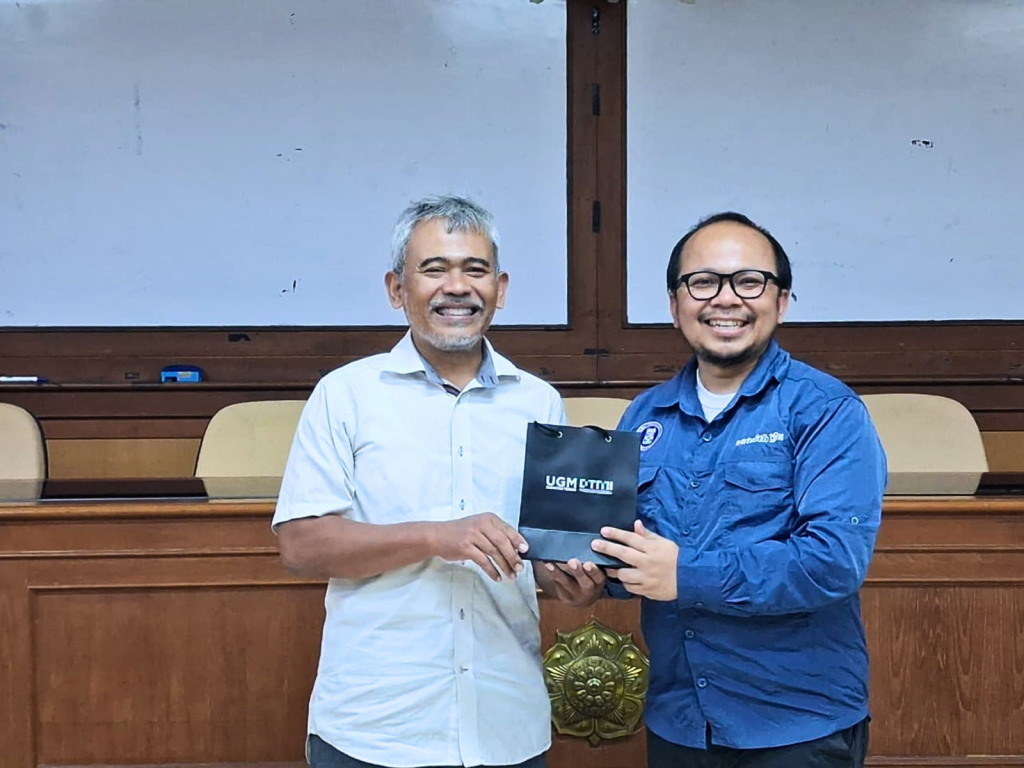
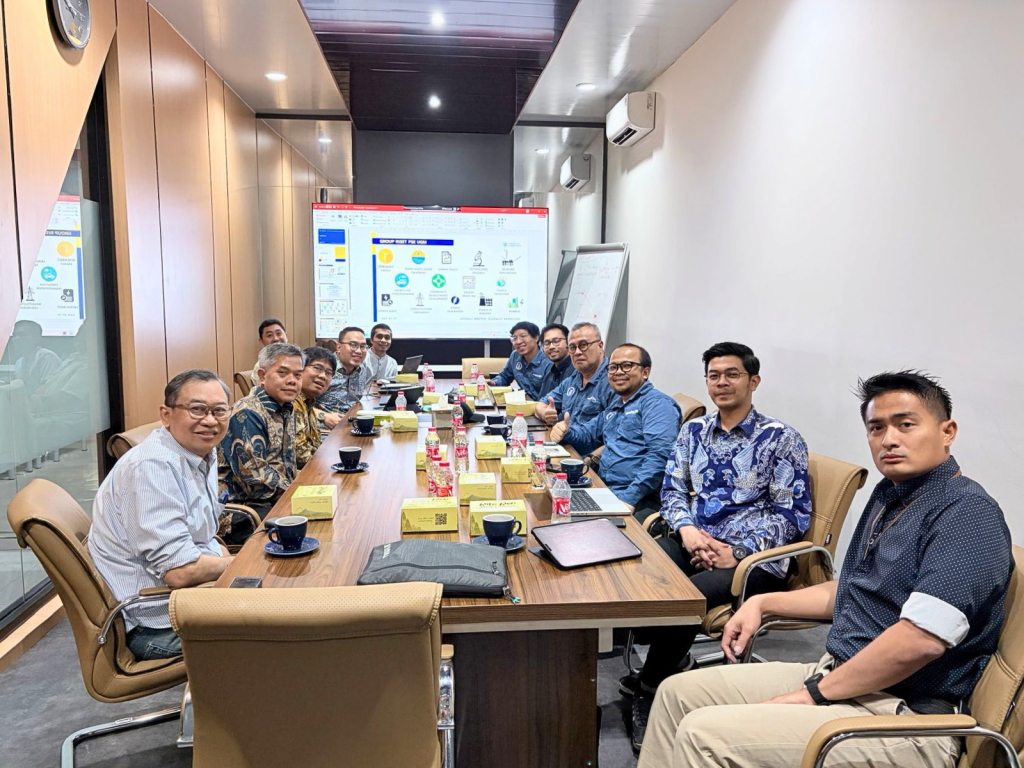
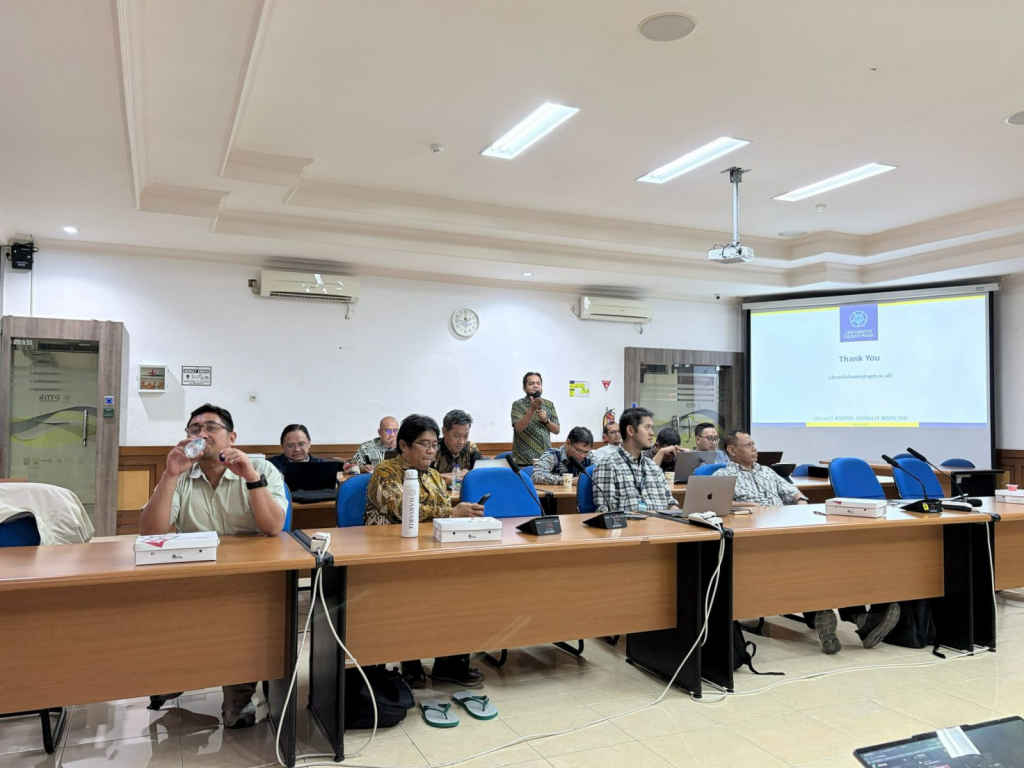
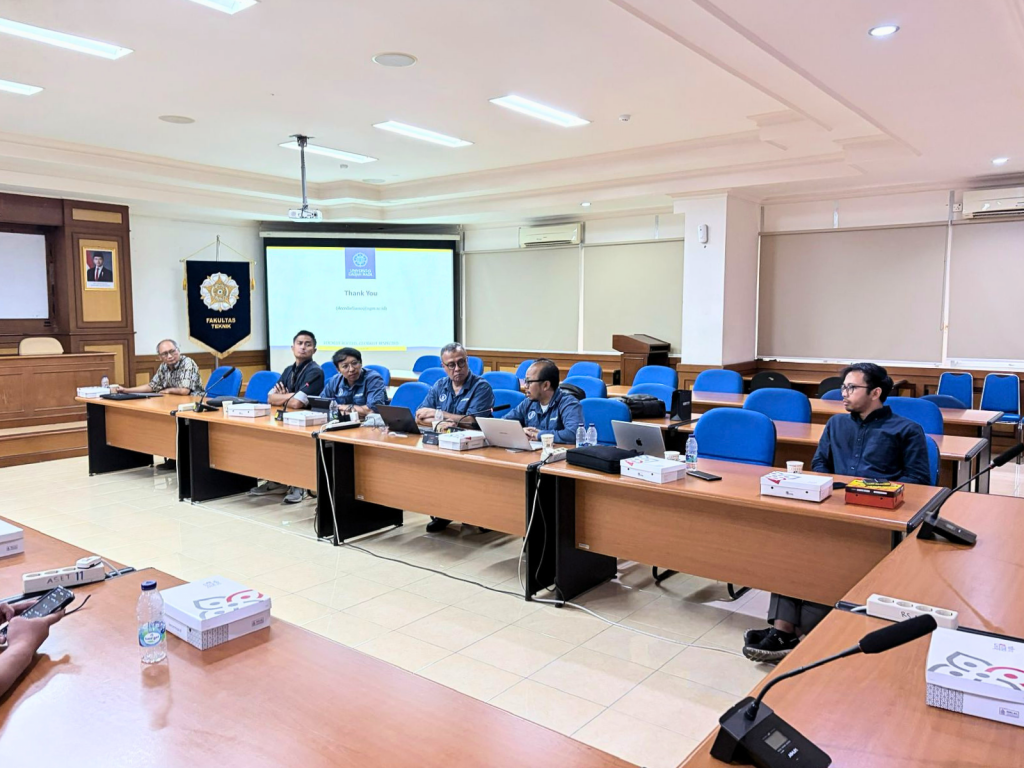
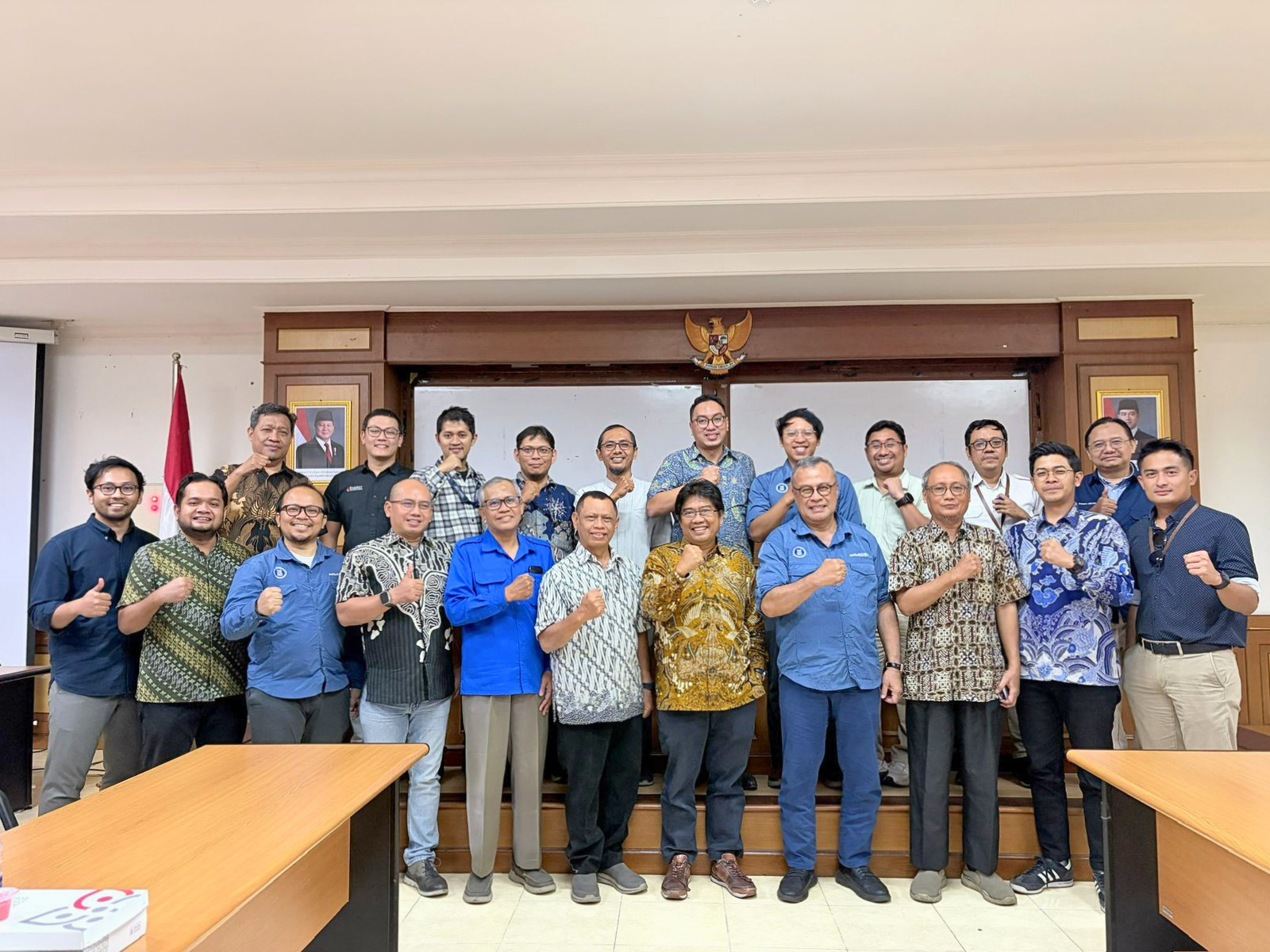
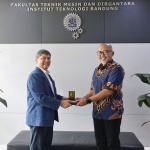
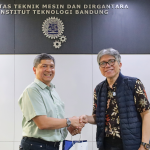
Yogyakarta, ftmd, itb.ac.id – The Faculty of Mechanical and Aerospace Engineering (FTMD) at Institut Teknologi Bandung (ITB) conducted a benchmarking study visit to the Department of Mechanical and Industrial Engineering (DTMI), Faculty of Engineering, Universitas Gadjah Mada (UGM), on Friday (August 14, 2026).

This initiative forms part of FTMD’s efforts to gather operational insights regarding the management of academic expertise groups, study centers, research activities, and the expansion of academic and industrial collaboration networks.

The FTMD ITB delegation was led by the Head of the New and Renewable Energy Research Center (PPEBT), Prof. Dr. Ir. Ari Darmawan Pasek, Ph.D., alongside Dr. Eng. Ir. Firman Bagja Juangsa, S.T., M.Eng.; Dr. Eng. Gea Fardias Mu’min, S.T., M.T.; Dr. Eng. Achmad Rofi Irsyad, S.T., M.Eng.; Ilman Nuran Zaini, S.T., M.Eng., Ph.D.; and Adrian Rizqi Irhamna, S.T., M.T. The visit included discussions with the UGM Energy Study Center (PSE) as well as the Energy Field of Expertise Group (KBK) at DTMI UGM.

Learning from the Management of UGM Energy Study Center (PSE)

The first session was held with UGM PSE. The FTMD delegation was received by the Head of UGM PSE, Prof. Ir. Sarjiya, S.T., M.T., Ph.D., IPU, together with PSE management and expert staff. Discussions focused on PSE’s experience in managing research and study initiatives, including organizational structure, human resource management, administration, and joint project execution with external partners.

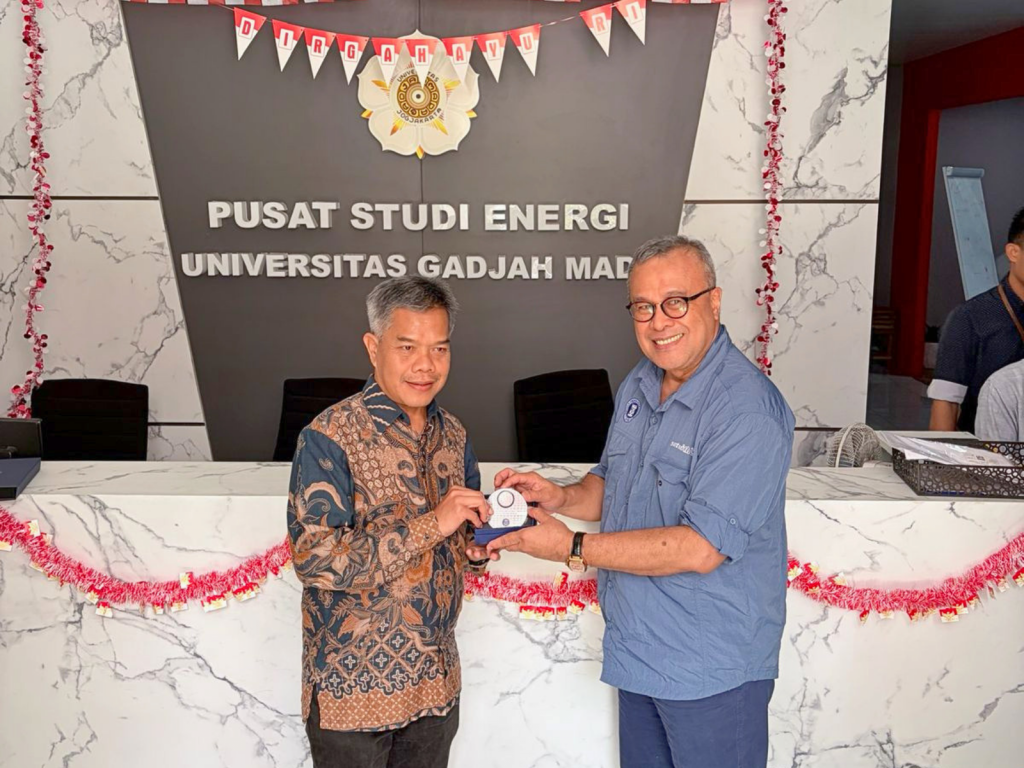
UGM PSE operates on a multidisciplinary framework involving experts across various fields. This approach enables PSE to address complex research and study demands that extend beyond technical aspects to encompass economic, policy, social, and environmental dimensions.

PSE’s track record in building expert networks and managing external projects serves as a valuable reference for FTMD and PPEBT ITB in identifying opportunities to strengthen research governance and expand strategic partnerships.

Discussions on Expertise Groups (KBK) and Research Group Management

The program continued with a visit to the Energy KBK at DTMI UGM. This session addressed the management of expertise areas and research teams, including faculty expertise mapping based on educational background, body of knowledge, and research focus.

UGM’s Energy KBK encompasses specializations in heat and mass transfer, two-phase fluid mechanics, refrigeration and HVAC, Computational Fluid Dynamics (CFD), energy conversion, geothermal engineering, combustion, and wind energy.

Discussions also highlighted the role of research groups in driving collaborative research. These groups serve as dedicated platforms for faculty members with diverse expertise to formulate research roadmaps, conduct joint research, and build partnerships with industry stakeholders and international institutions.

In addition to the discussions, the FTMD delegation toured research facilities at the Heat and Mass Transfer Laboratory, inspecting hydrogen research systems, high-speed camera setups, Particle Image Velocimetry (PIV), and flow measurement and analysis equipment.

Unlocking Asia-Level Energy Collaboration Opportunities

The benchmarking visit also provided a platform to explore expanding international networks in energy and thermal-fluid engineering. Based on presentations by the FTMD team, two key collaborative opportunities were identified: hosting the 39th International Symposium on Transport Phenomena (ISTP-39) in 2029 in Indonesia, and strengthening Indonesia’s engagement in the Asian Union of Thermal Science and Engineering (AUTSE).

These discussions were supported by the Mechanical Engineering alumni network from Science Tokyo affiliated with various institutions across Indonesia. This network represents strong potential for reinforcing academic ties and expanding Indonesia’s international research collaboration footprint.

A Reference Point for FTMD Research Development

FTMD ITB’s benchmarking visit to DTMI UGM offered a valuable opportunity to exchange knowledge on managing study centers, expertise groups, research groups, laboratory facilities, and collaborative networks.

Through this engagement, FTMD ITB and PPEBT ITB gathered strategic benchmarks to enhance research governance and strengthen academic collaboration. Beyond reinforcing inter-institutional ties, the visit opens new avenues for expanding research networks and scientific initiatives in energy, thermal-fluid engineering, and broader mechanical engineering fields at both national and regional Asian levels.