Framing Questions into Research: The Journey of FTMD ITB Alumnus Azaria Haykal Ahmad Pursuing Doctoral Studies in Japan
BANDUNG, ftmd.ac.id – Academic journeys do not always follow a straight line. For Azaria Haykal Ahmad, a Mechanical Engineering alumnus of ITB (Class of 2018), curiosity about various energy sectors led him from biomass research, geothermal energy, and ammonia to currently delving into hydrogen technology and decarbonization at The University of Tokyo, Japan.
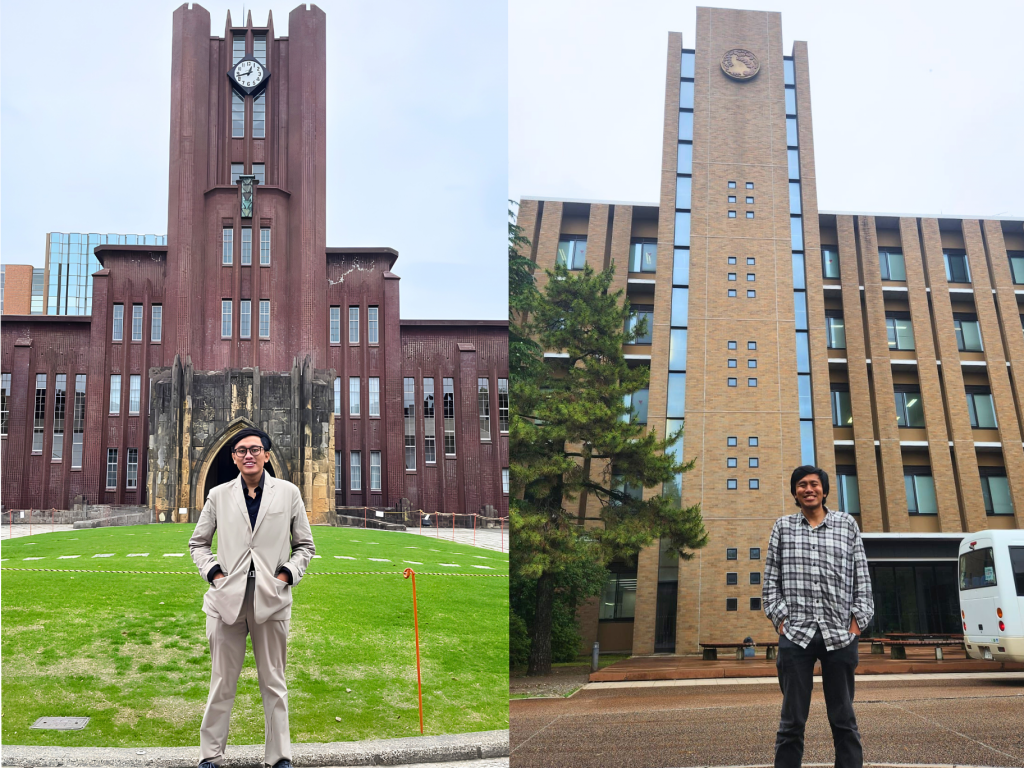
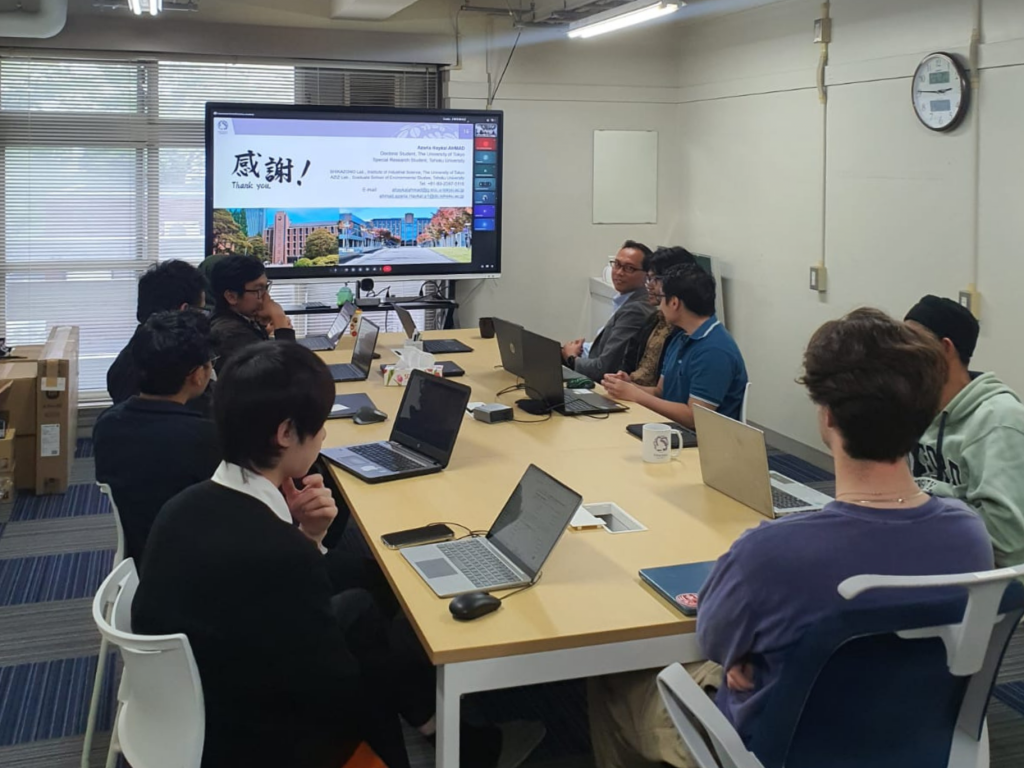
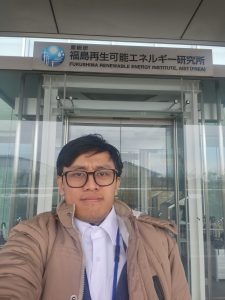
After completing his undergraduate degree in Mechanical Engineering at ITB and pursuing a master’s degree through the fast-track program in 2022, Haykal is currently undertaking doctoral studies at The University of Tokyo under the supervision of Prof. Muhammad Aziz and Prof. Shikazono Naoki. Currently, he is also conducting research as a special research student at Tohoku University following Prof. Aziz’s institutional transfer.
Beyond his research, Haykal is active as an Energy Policy Research Officer at Youth for Energy Southeast Asia and previously served as the Chairman of PPI Todai (Indonesian Students Association at The University of Tokyo).
From Curiosity to the World of Energy Research
When asked about his motivation for pursuing doctoral studies, Haykal gave a simple answer: he wants to become a lecturer and researcher.
His interest in the energy sector developed during his studies at ITB. Initially studying biomass, he later explored geothermal energy through various competitions, learned about waste-to-energy from Dr.Eng. Ir. Pandji Prawisudha, S.T., M.T., solar thermal from Dr.Eng. Achmad Rofi Irsyad, S.T., M.Eng., and ultimately pursued ammonia research alongside Prof. Dr. Ir. Prihadi Setyo Darmanto and Dr.Eng. Ir. Firman Bagja Juangsa, S.T., M.Eng. According to him, the field of energy offers vast opportunities for exploration.
“The more you study, the more you realize that one question always leads to another. It started with biomass, then geothermal, ammonia, hydrogen, and now chemical looping,” he explained.
This interest was also influenced by his experience during FTMD ITB’s orientation, where he heard a presentation on a biomass power plant in Mentawai by Jaya Wahono. At that moment, he realized that mechanical engineering goes beyond design and calculations—it can provide real solutions to societal challenges.
Developing Hydrogen Production Technology from Biomass
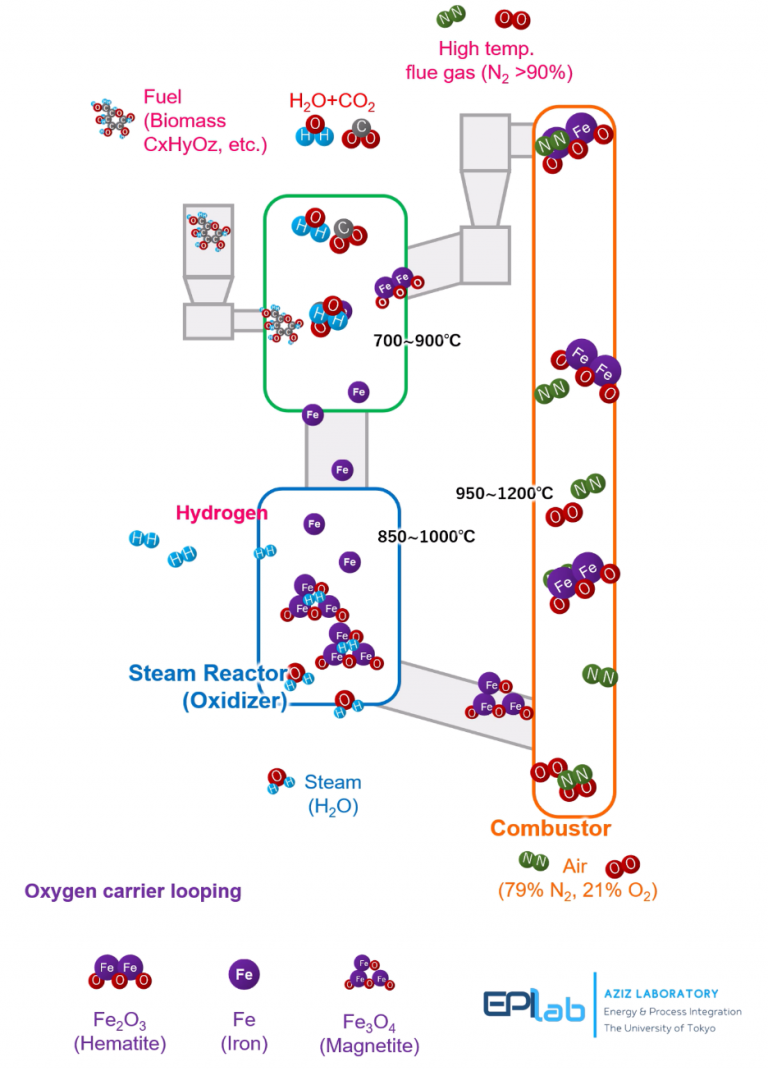
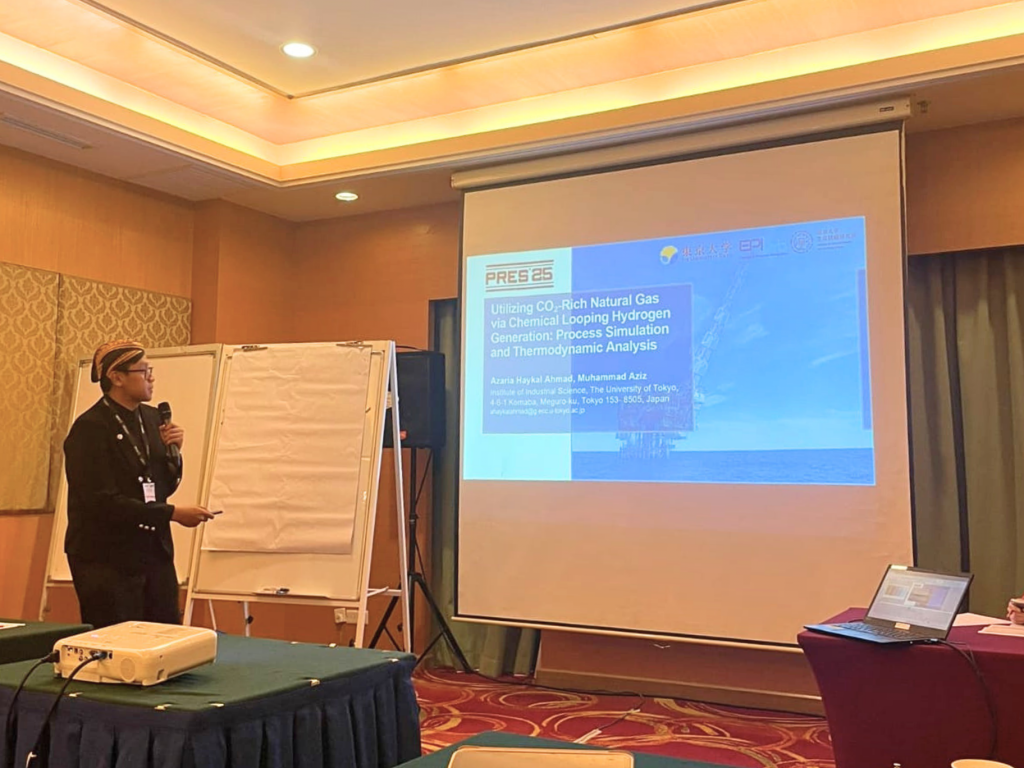
Currently, Haykal is conducting research on Chemical Looping Hydrogen Generation (CLHG), a thermochemical technology used to produce hydrogen from biomass.
Simply put, this technology utilizes a material called an oxygen carrier, which facilitates the reaction process to generate hydrogen while capturing carbon dioxide.
In his research, Haykal uses Fe₂O₃ and explores the use of Batu Badar (hematite/magnetite stone) as a natural oxygen carrier.
Remarkably, he approached Batu Badar—traditionally known in Indonesia as a gemstone for ring crafts—from a different perspective.
“Batu Badar is usually known as a gemstone for rings. But in my research, I try to explore its potential as an energy-producing material,” he explained.
Through this approach, Haykal aims to integrate an Indonesian context into his research in Japan by leveraging local resource potential.
His research extends beyond materials and chemical reactions; it is also being expanded toward broader energy systems, specifically how CLHG technology can support the decarbonization of power plants such as Natural Gas Combined Cycle (NGCC) plants.
A Journey Shaped by Various Opportunities
Before reaching the doctoral stage, Haykal’s academic journey was shaped by various experiences that were not always planned.
He admits he was not a student with major achievements from the start. One of his pivotal experiences began spontaneously when he casually entered a scientific writing competition.
From that competition, he secured 2nd Place in the ITB Mechanical Engineering department, later expanding his idea on direct geothermal energy utilization for local communities to win 3rd Place at the FTMD ITB level.
The concept subsequently evolved through the ITB International Geothermal Workshop, resulting in two Scopus-indexed publications.
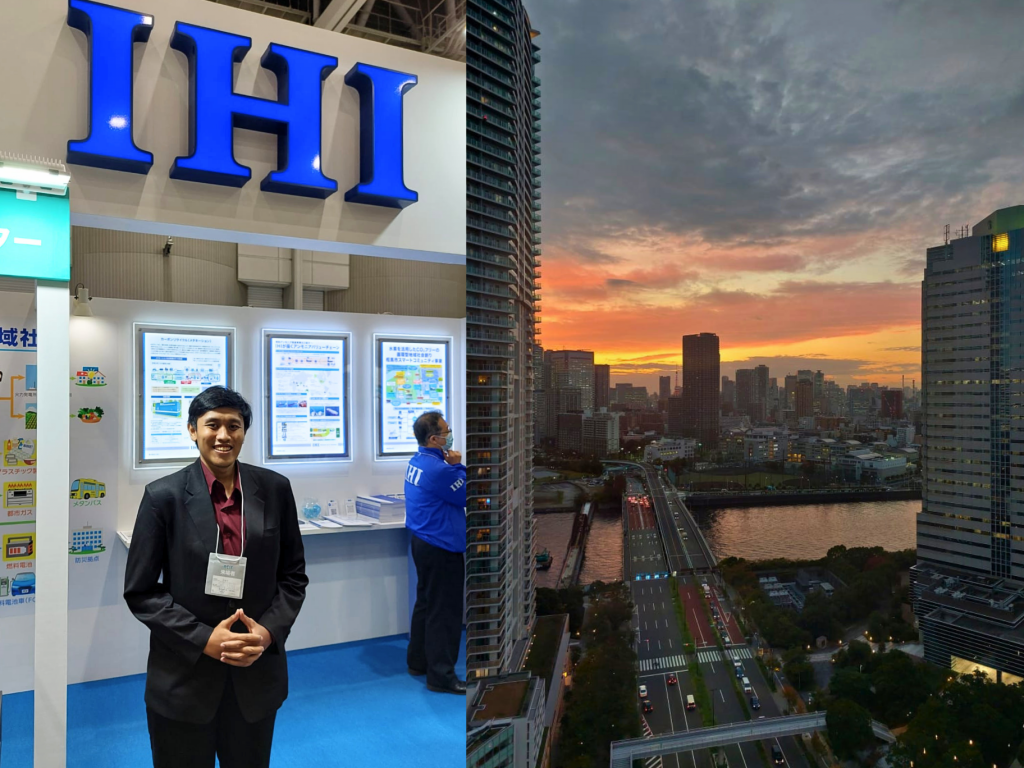
Furthermore, prior to starting his Ph.D. studies, Haykal completed an internship at IHI Corporation in Japan in 2023. This experience offered him a fresh perspective on technological development within the industrial sector.
While academic research often prioritizes novelty, methodology, and publication, the industrial realm poses additional questions regarding whether the technology is safe, feasible, and delivers practical value.
Challenges of Pursuing Doctoral Studies in Japan
According to Haykal, the greatest challenge of pursuing a Ph.D. is dealing with uncertainty.
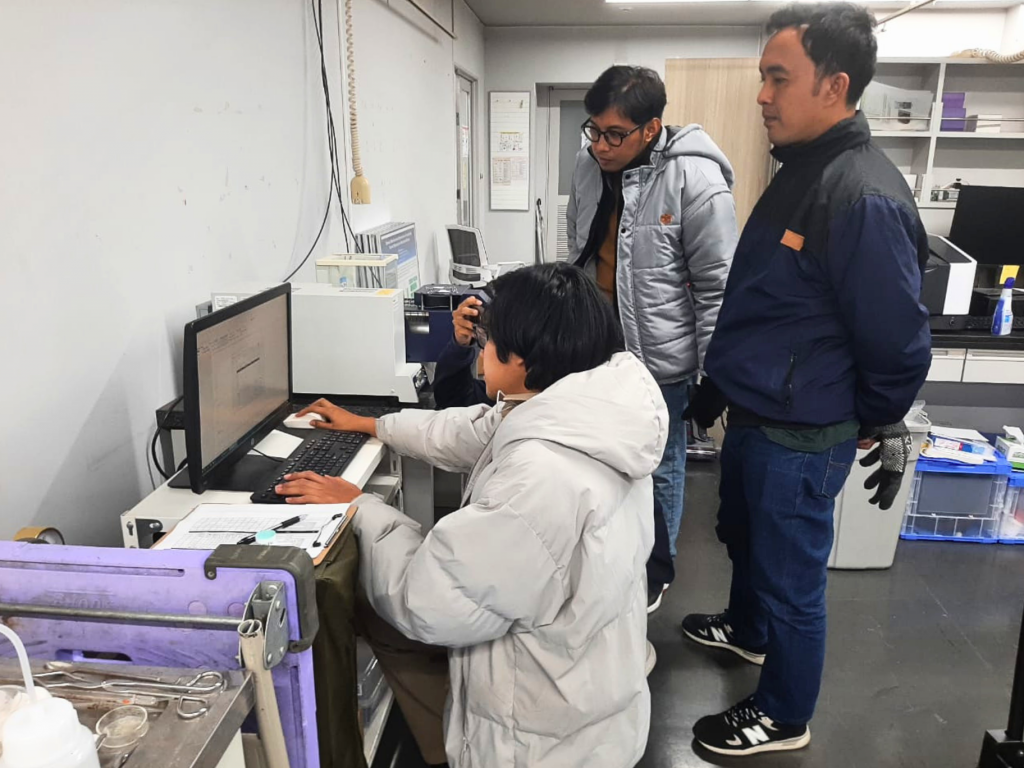
Although doctoral programs have clear schedules, research often does not go as planned. Experiments can fail, equipment may encounter issues, or research outcomes might not match expectations.
“The challenge of a Ph.D. is not just completing research, but accepting that many things will not go as planned while deadlines keep approaching,” he remarked.
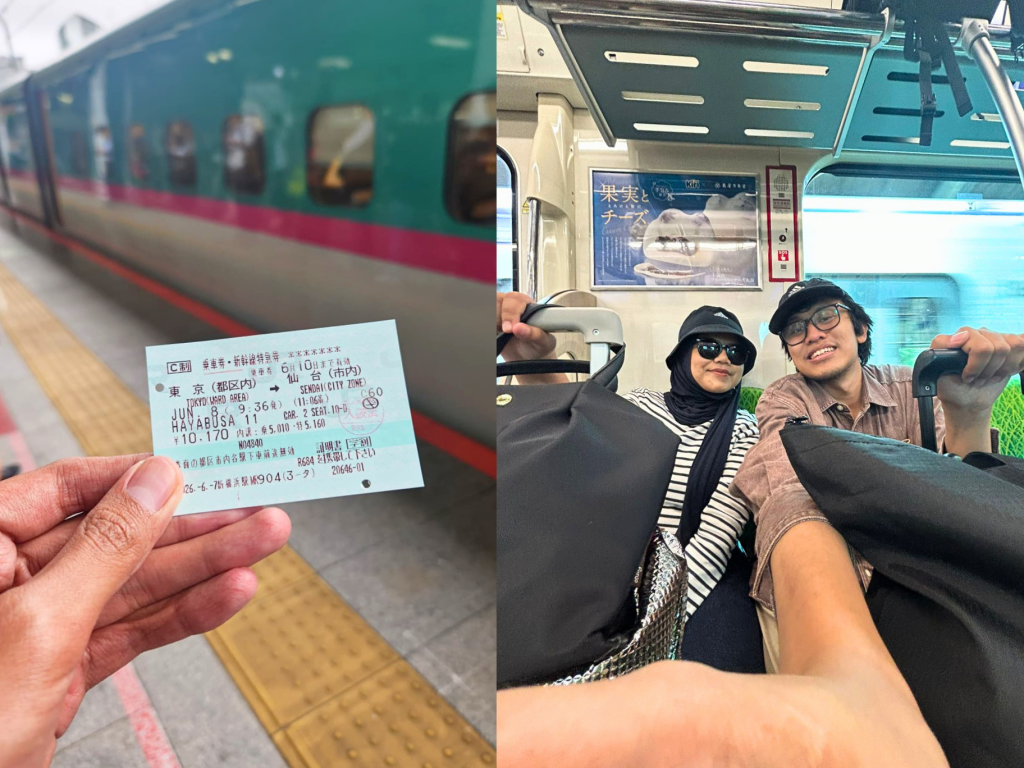
In addition to research challenges, he had to adapt to a changing environment when relocating from Tokyo to Sendai in his third year of study. However, this experience became an integral part of learning to be more independent and effectively managing productivity.
Learning from Japan’s Research Culture
During his time in Japan, one of the most memorable aspects for Haykal has been the research culture that deeply values detail. He recalls a principle frequently encountered in Japanese academic environments:
“The devil is in the details.”
Minor aspects—such as a single graph, simulation assumptions, or experimental methods—are discussed in depth because those details determine the quality of the research.
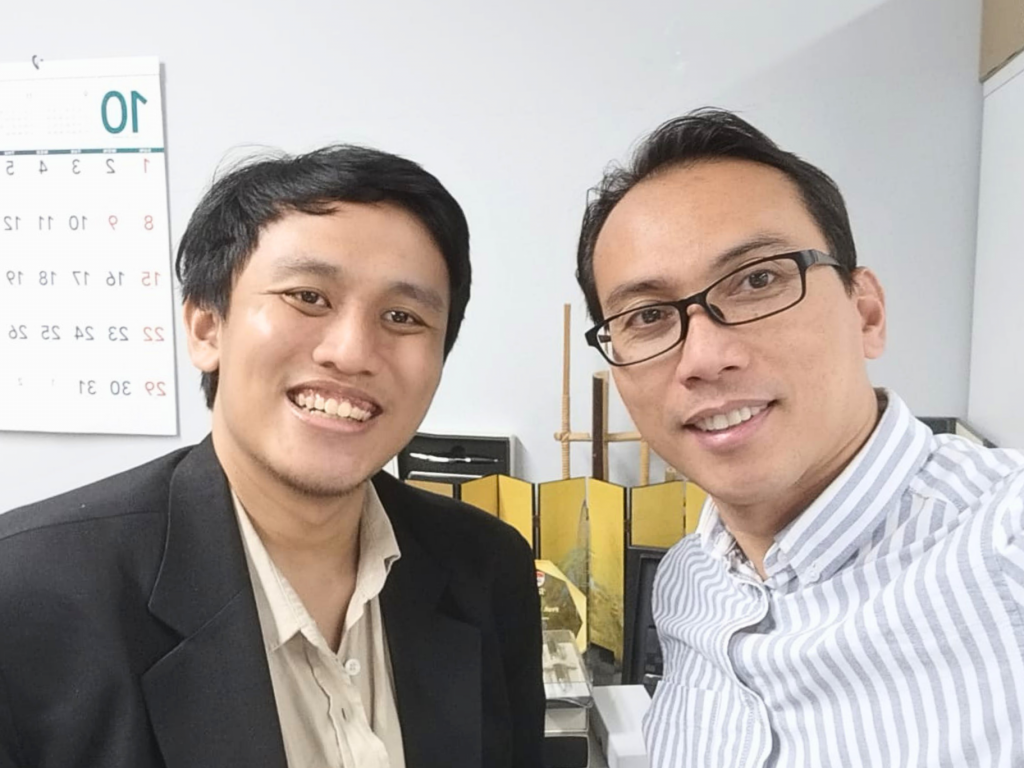
Beyond his experience at The University of Tokyo, Haykal also gained insights from research institutes like AIST regarding the importance of collaboration and bridging academic research with real-world technological development. According to him, this experience broadened his perspective, highlighting that research is rarely an individual pursuit, but rather requires interdisciplinary collaboration.
Advice for FTMD Students
For FTMD students aspiring to pursue further studies abroad, Haykal emphasizes that the most crucial step is to start building a track record early.
A track record does not necessarily require major accomplishments from the start; it can begin with simple initiatives such as joining faculty projects, entering scientific competitions, writing papers, serving as research assistants, or discussing research topics.
Additionally, English proficiency is an essential asset—not only for fulfilling academic prerequisites, but also for literature review, academic writing, and effectively communicating ideas.
Haykal also advises students not to feel pressured to have a flawless plan from the beginning. His own path evolved from biomass to geothermal, ammonia, hydrogen, and chemical looping.
Haykal also advises students not to feel pressured to have a flawless plan from the beginning. His own path evolved from biomass to geothermal, ammonia, hydrogen, and chemical looping. He advised that
“Do not wait for perfection to start something. Start first, and refine it along the way,”
Through his academic journey, Haykal demonstrates that curiosity, courage to try, and consistent learning can pave the way to diverse opportunities—including contributing to the development of sustainable energy technologies for the future.