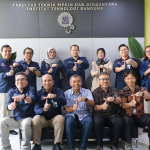
Bandung – Aziz Fathurrahman, a doctoral student in Aerospace Engineering at the Faculty of Mechanical and Aerospace Engineering (FMAE/FTMD), Institut Teknologi Bandung (ITB), has developed a visual-inertial-based navigation system for Autonomous Unmanned Aerial Vehicles (UAVs) capable of operating in GPS-denied environments. This research was conducted under the supervision of Prof. Dr. Ir. Hari Muhammad, Dr. Ir. Yazdi Ibrahim Jenie, S.T., M.T., and Ony Arifianto, Ph.D.
The study was motivated by the limitations of conventional UAV navigation systems that remain heavily dependent on Global Positioning System (GPS) signals. In certain scenarios, such as mountainous terrain, dense forests, canyons, or areas with significant physical obstructions, GPS signals are often unavailable or jammed. Consequently, alternative systems are required to maintain navigational accuracy and performance.
Through his research, Aziz developed a visual-inertial navigation approach that integrates data from camera sensors and inertial measurement units. A primary contribution of his work is the development of a Switching Extended Kalman Filter (EKF) algorithm, designed to enhance UAV navigation performance, particularly during transitions between environments with and without GPS signals.
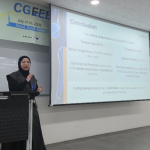
His findings were presented at the
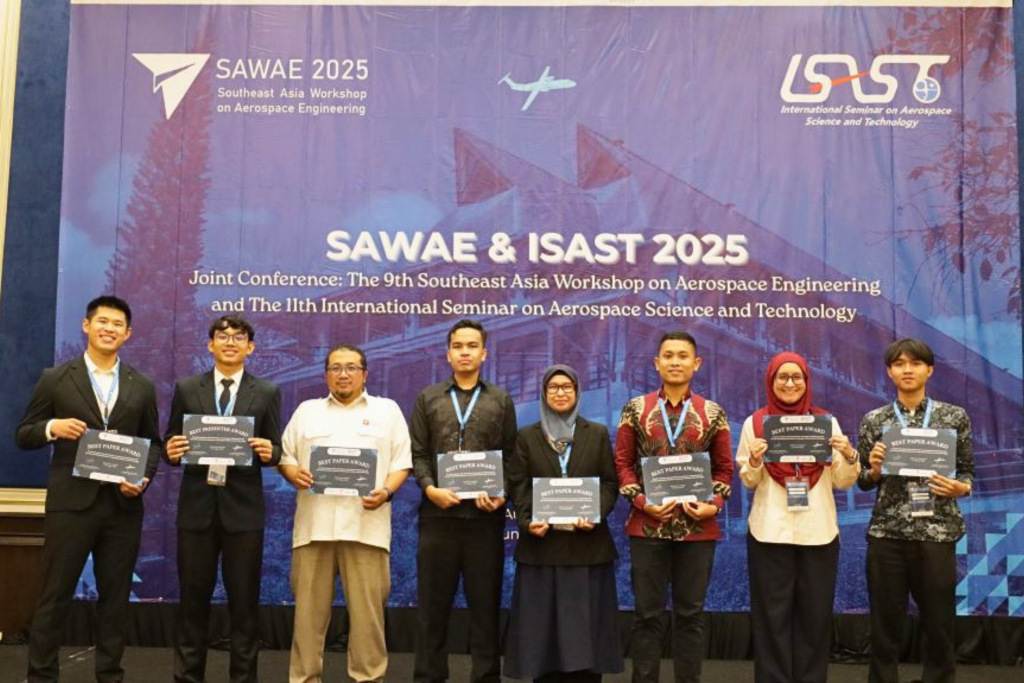
SAWAE-ISAST 2025 international conference in a paper titled “Switching Extended Kalman Filter for Integrated UAV Navigation in GNSS and GNSS-denied Environment.” SAWAE-ISAST is a joint scientific forum between the Southeast Asia Workshop on Aerospace Engineering (SAWAE) and the International Seminar on Aerospace Science and Technology (ISAST), bringing together global researchers to share innovations and collaboration opportunities. For his significant contribution, Aziz was honored with the Best Paper Award<
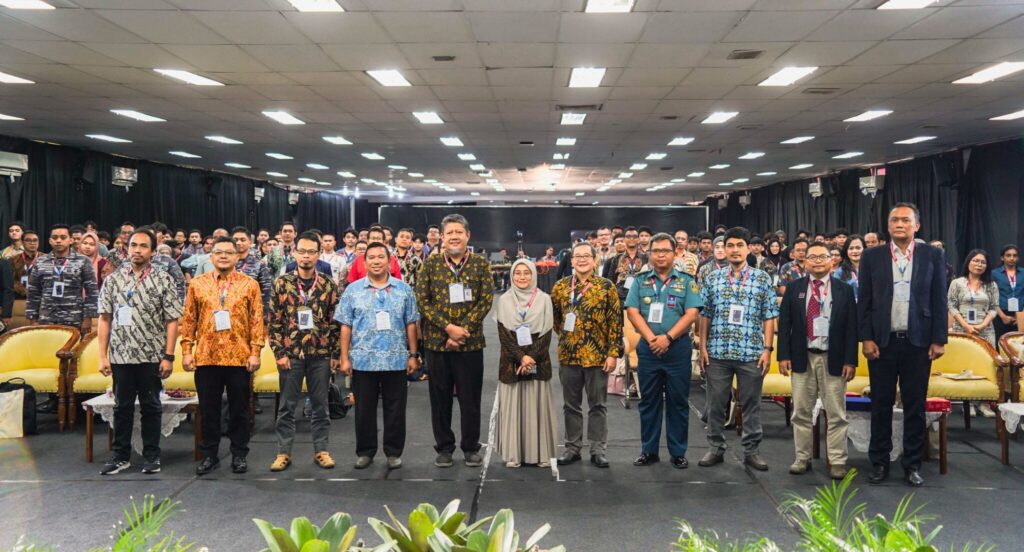
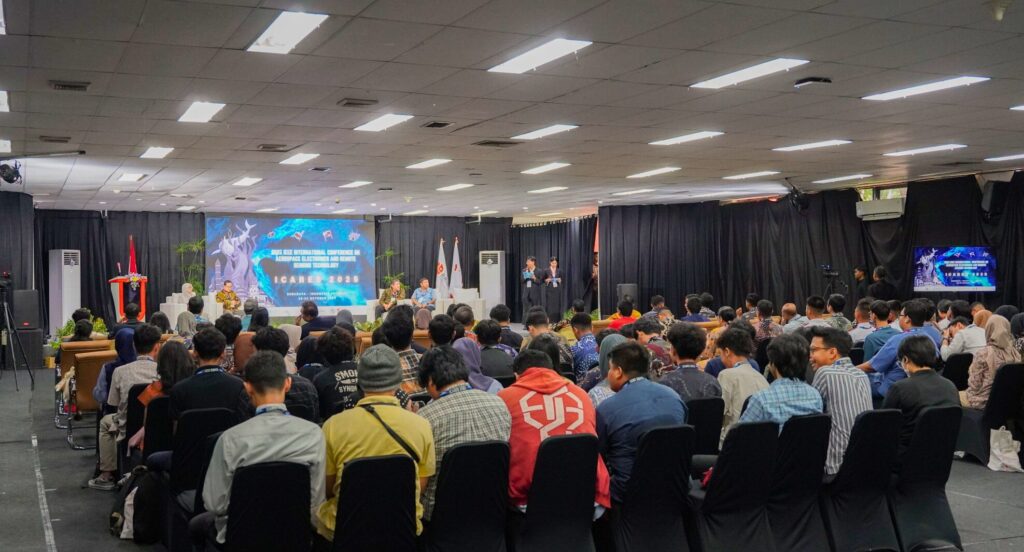
In addition to SAWAE-ISAST 2025, this research, which is part of Aziz’s doctoral dissertation, was also presented at ICARES 2025 under the title “Observability Analysis of a Switching Extended Kalman Filter for Small UAV Navigation.” While the first paper focused on conceptual and system development, the presentation at ICARES 2025 provided a deeper analytical dive into the developed algorithm.
ICARES is a prominent international conference focusing on aerospace engineering and space technology. Through an observability analysis approach, this study analytically demonstrated that the Switching EKF algorithm significantly improves UAV navigation accuracy in GPS-denied conditions. Aziz once again secured the
Best Paper Award at ICARES 2025, recognizing the scientific novelty and quality of his proposed research.