Developing a Multi-Purpose Electric Vehicle, Cigadung Racing Team of FTMD ITB Clinches Third Place at PLN ICE 2026
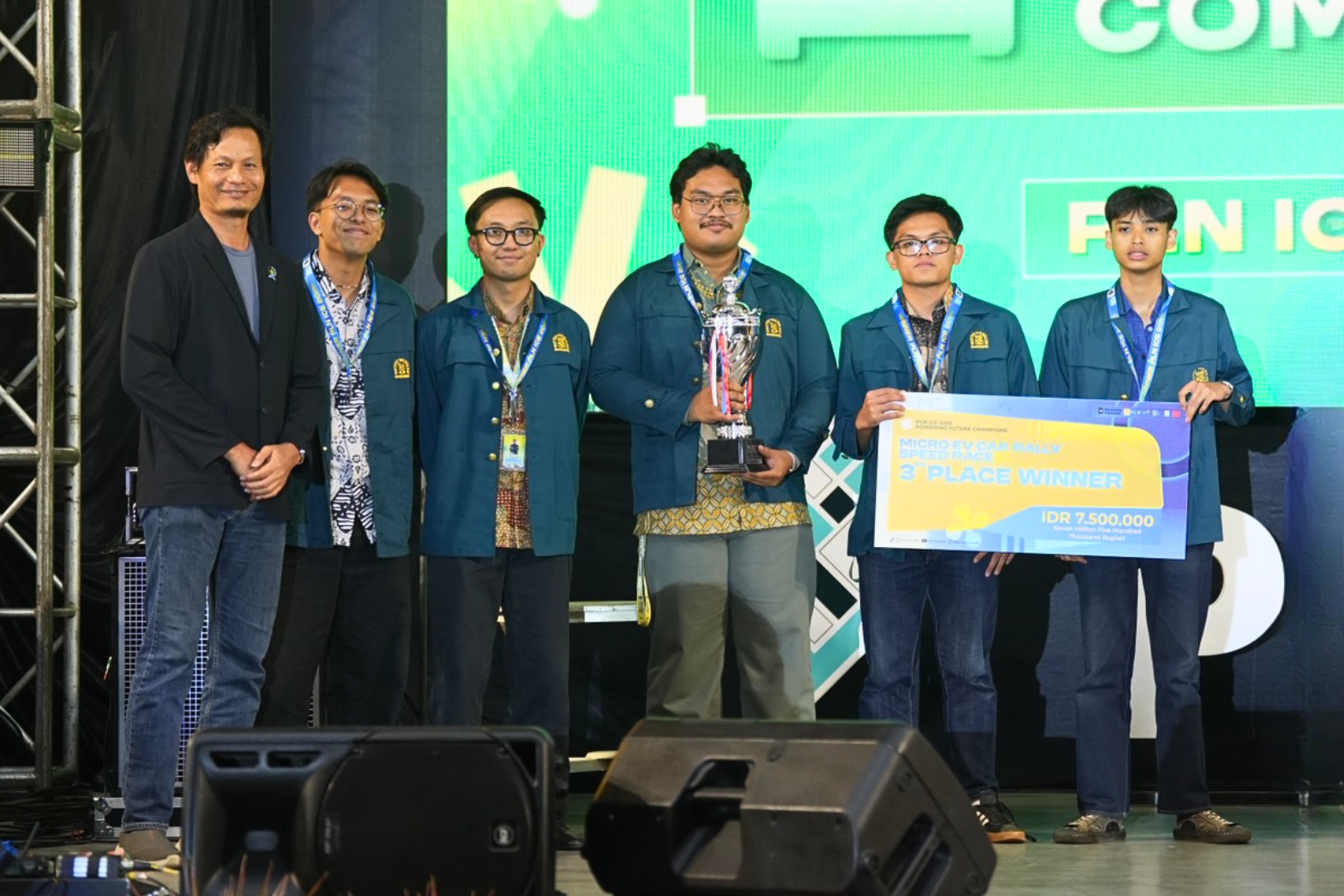
SURABAYA, ftmd.itb.ac.id – Developing an electric vehicle demands more than a solid grasp of propulsion systems and electrical components; it requires integrating multiple engineering disciplines, ranging from chassis design and suspension systems to braking and vehicle testing. That multidisciplinary challenge defined the journey of the Cigadung Racing Team, a student team from the Faculty of Mechanical and Aerospace Engineering (FTMD) Institut Teknologi Bandung (ITB), which secured third place in the Micro EV category at the PLN Innovation & Competition in Electricity (PLN ICE) 2026.
For the competition, the Cigadung Racing Team developed an electric vehicle built around a four-seater compact multi-purpose wagon concept. The vehicle was designed to accommodate small family mobility while also supporting logistics operations for Micro, Small, and Medium Enterprises (MSMEs). By prioritizing real-world functionality and user needs, the team aimed to deliver a versatile electric mobility solution.
From Competition Entry to Electric Vehicle Development Team
The Cigadung Racing Team was founded in 2025 by a group of 2022 cohort Mechanical Engineering students. From its inception, the team focused on electric vehicle development, initially forming to compete in the Micro EV category of PLN ICE 2025.
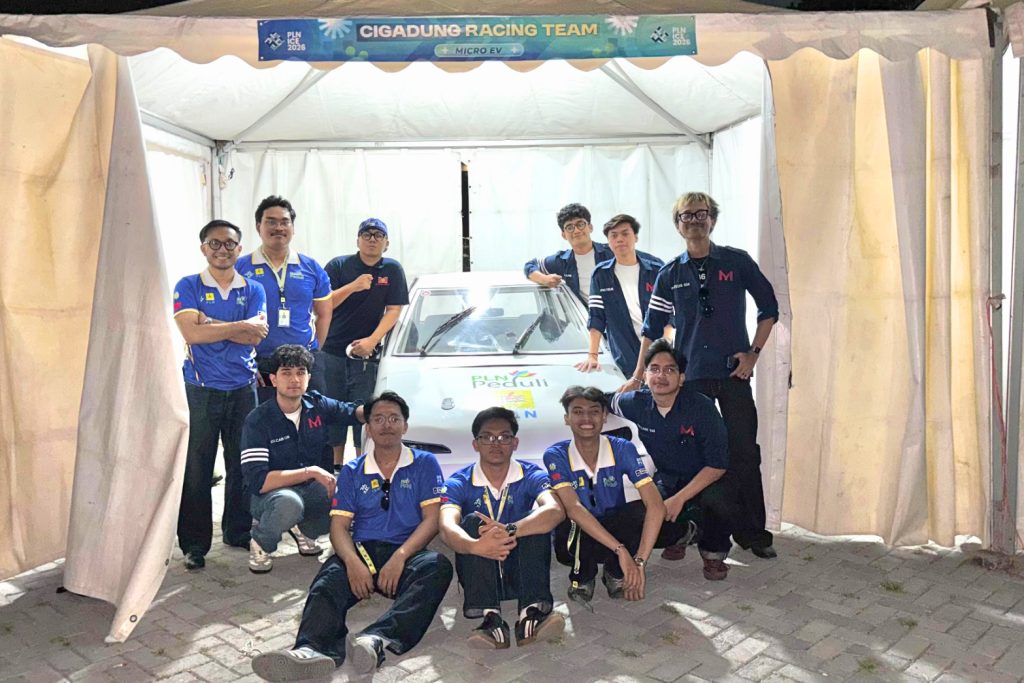
Participating in that inaugural event launched the team’s hands-on journey in EV engineering. Returning for PLN ICE 2026, the Cigadung Racing Team built upon lessons learned and the physical condition of their previous vehicle—first evaluating which components could be reused and which subsystems needed redesigning or rebuilding to comply with updated competition regulations.
Throughout this endeavor, the Cigadung Racing Team was mentored by Dr.Eng. Ir. Ferryanto, S.T., M.T., IPP. The roster competing in PLN ICE 2026 comprised Mechanical Engineering students from the 2023 and 2024 cohorts, organized into the following roles:
- Muhammad Darrel Keefa (Mechanical Engineering 2023) – Team Leader
- Pradipta Wiratama Nawantoro (Mechanical Engineering 2023) – Head of Technical Division
- Rafa Sulthan Amri (Mechanical Engineering 2023) – Head of Non-Technical Division and Navigator
- Jovan Varellius (Mechanical Engineering 2023) – Head of Mechanical Sub-Division
- Aubrey Dary Lukman (Mechanical Engineering 2023) – Head of Electrical Sub-Division and Driver
- Hadi Haziq Rahman (Mechanical Engineering 2023) – Mechanical Sub-Division Member
- Fabian Aulia (Mechanical Engineering 2024) – Mechanical Sub-Division Member
- Ghavin Pradana (Mechanical Engineering 2024) – Mechanical Sub-Division Member
- Elchan William (Mechanical Engineering 2024) – Electrical Sub-Division Member
- Wan Ali Ahmadin (Mechanical Engineering 2024) – Electrical Sub-Division Member
- Rafi Pandu Wibawa (Mechanical Engineering 2023) – Sponsorship Division
- Ganendra Ghozan Amerta (Mechanical Engineering 2023) – Social Media and Documentation Division
- Affan Akmal (Mechanical Engineering 2024) – Social Media and Graphic Design Division.
Structurally, the team was divided into two core pillars: technical and non-technical. Led by Pradipta Wiratama Nawantoro, the Technical Division oversaw both the Mechanical and Electrical sub-divisions. Meanwhile, Rafa Sulthan Amri led the Non-Technical Division, coordinating sponsorship, documentation, graphic design, and social media operations.
This clear division of responsibilities allowed each member to focus on specialized tasks while ensuring seamless coordination across every phase of vehicle development and competition logistics.
Building a Multi-Purpose Micro EV Through Mechanical and Electrical Integration
At PLN ICE 2026, the Cigadung Racing Team competed in the Micro EV category, which challenges participants to engineer compact electric cars and prove their reliability in a time-rally race format. To meet this challenge, the team introduced a four-seater compact multi-purpose wagon—an electric vehicle offering four-passenger capacity within a nimble footprint tailored for diverse daily uses.
This concept addressed two primary applications: serving as practical transportation for small families, and supporting light logistics for MSME entrepreneurs. Consequently, the vehicle’s engineering was guided not merely by competition metrics, but by everyday utility and commercial viability.
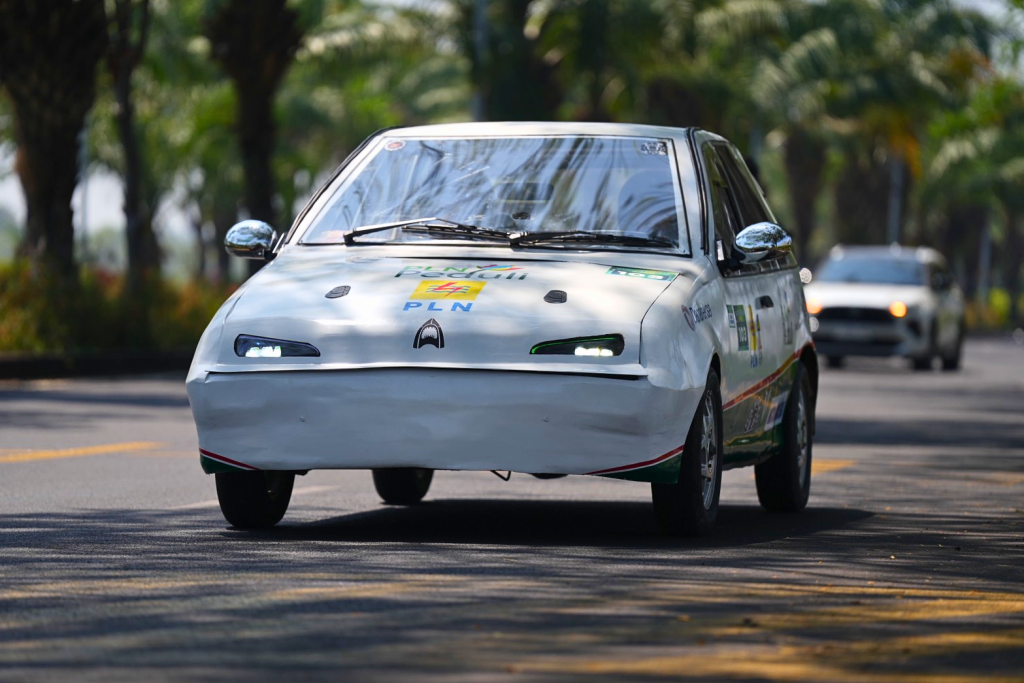
To bring this concept to life, the team constructed the frame using a hybrid hollow-tubular chassis design. On the powertrain side, the vehicle was equipped with a 120 Ah battery pack paired with a 4-kW electric motor as its primary propulsion system.
Vehicle development relied on close coordination between two distinct yet interdependent technical sub-divisions:
Mechanical Sub-Division: Responsible for the design, procurement, manufacturing, and installation of mechanical assemblies—including the rack-and-pinion steering system, suspension, disc brakes, chassis, body panels, doors, and side mirrors. To execute specialized fabrication, the team collaborated with experienced external partners: Bengkel Dakocan assisted with chassis fabrication, Om Yosep supported bodywork production, and a dedicated automotive glass vendor supplied the vehicle’s glazing.
Electrical Sub-Division: Responsible for designing, sourcing, and installing the vehicle’s electrical architecture, covering the 12 V wiring harness for headlights, horn, and turn signals, alongside high-voltage EV powertrain components such as the battery, controller, and electric motor. For specialized EV drivetrain integration, the team partnered with electric vehicle specialists at Vector Motors.
Integrating both sub-divisions proved vital to the Micro EV’s success. Mechanical systems had to support structural integrity and vehicle dynamics, while electrical systems ensured reliable power delivery and control—requiring synchronized engineering so the vehicle performed reliably under competition conditions.
From Design to Testing: Preparing for PLN ICE 2026
Before entering manufacturing, the Cigadung Racing Team established its vehicle concept and design storyline in accordance with PLN ICE 2026 technical regulations, while auditing their previous competition car to identify reusable parts versus components requiring upgrades.
These plans were compiled into a comprehensive competition proposal containing not only technical blueprints, but also gap analyses addressing engineering constraints and market needs. This foundational storyline guided the team’s engineering decisions throughout fabrication.
Following proposal completion, the team moved into detailed design—covering chassis geometry, bodywork, suspension kinematics, braking, and safety on the mechanical side, alongside battery sizing, controller matching, motor selection, wiring layouts, and lighting on the electrical side.
During manufacturing, the team applied structured project management practices to coordinate workflows, track fabrication milestones, and keep production aligned with initial specifications.
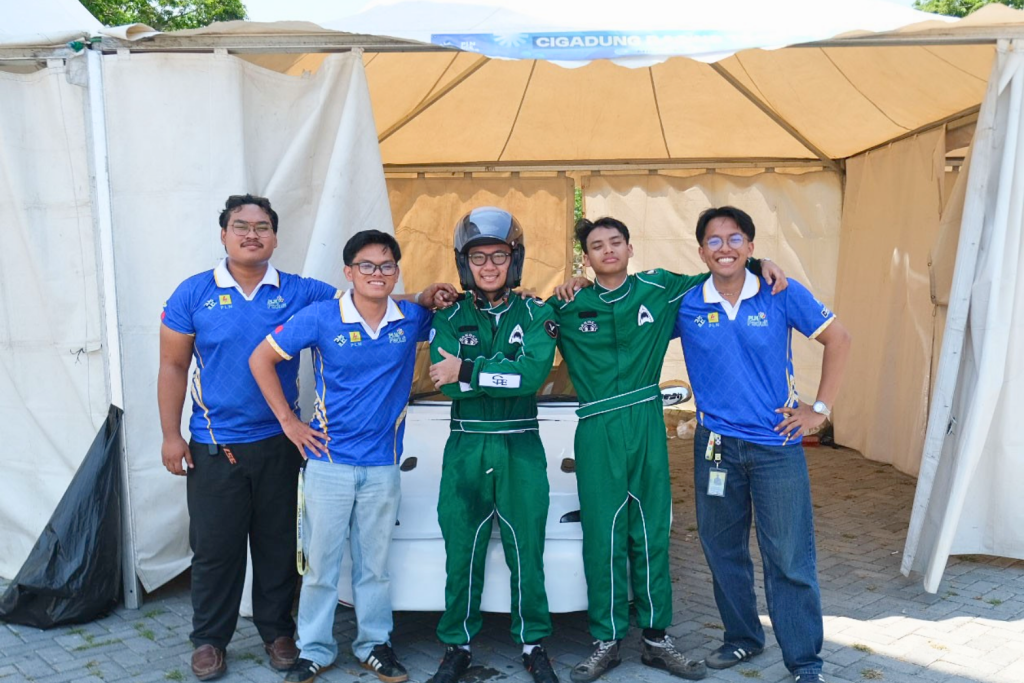
Once assembly was complete, the Cigadung Racing Team conducted multiple test-drive sessions as part of quality assurance to verify vehicle safety, troubleshoot emerging issues, and evaluate dynamic performance prior to race day.
Beyond technical validation, these track sessions trained the driver and navigator to understand the car’s handling characteristics and refine real-time communication for race strategy—ensuring both machine and crew were fully prepared.
Navigating Rule Changes and Team Coordination Challenges
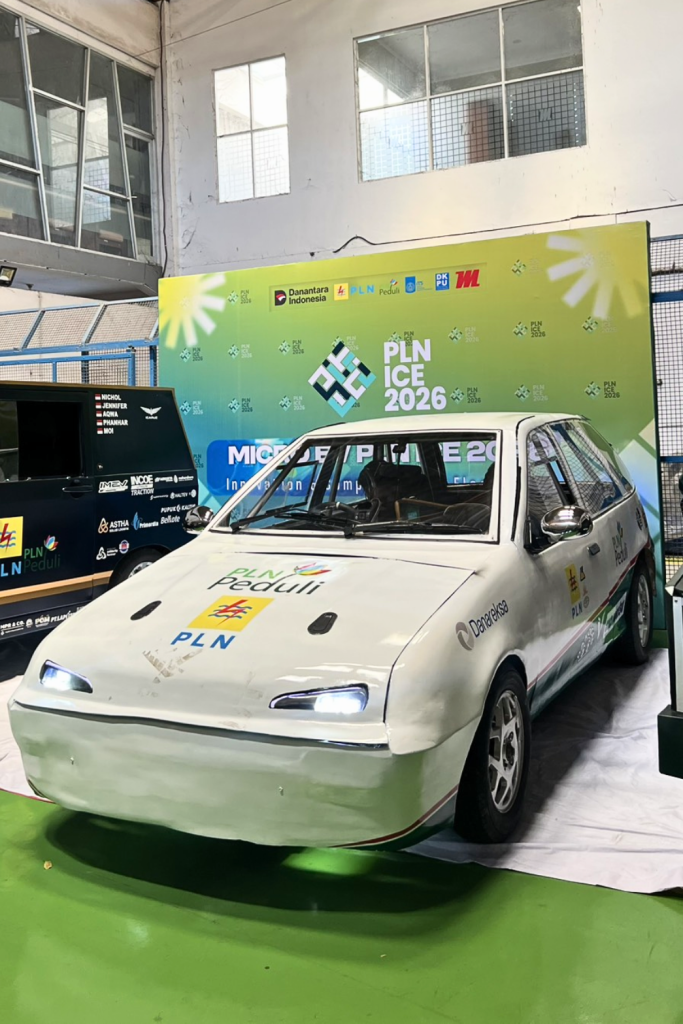
One of the steepest hurdles the Cigadung Racing Team faced during PLN ICE 2026 preparations was adapting to updated competition regulations—most notably stricter vehicle weight limits compared to the previous year.
These rule changes required substantial modifications to the previous year’s chassis to meet weight targets, alongside replacing or re-tuning mechanical components such as the suspension and braking systems to optimize overall vehicle mass.
Balancing schedules and team coordination presented another major challenge. As full-time undergraduate students, members had to juggle coursework and extracurricular commitments—requiring disciplined task delegation, transparent communication, and mutual support whenever teammates faced academic deadlines.
Through this process, the team learned that successful vehicle engineering depends as much on project management, communication, and cross-divisional teamwork as it does on individual technical skill.
Third-Place Finish Delivers Hands-On Engineering Lessons Beyond the Classroom
Competing at PLN ICE 2026 provided invaluable lessons for every member of the Cigadung Racing Team. Beyond applying classroom theory, students gained hands-on proficiency in manufacturing tools alongside essential soft skills in project management, stakeholder communication, and team coordination.
Among the team’s most memorable takeaways was the camaraderie forged during intensive preparation weeks—meeting nearly every day and frequently working late into the night or until dawn, which strengthened mutual trust and teamwork.
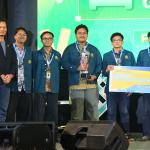
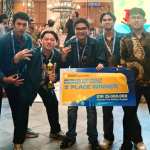
When competition results were announced and the Cigadung Racing Team was named third-place winner at PLN ICE 2026, the team welcomed the milestone with gratitude while recognizing ample room for further refinement—treating the podium finish as motivation to evaluate their design and aim even higher in future competitions.
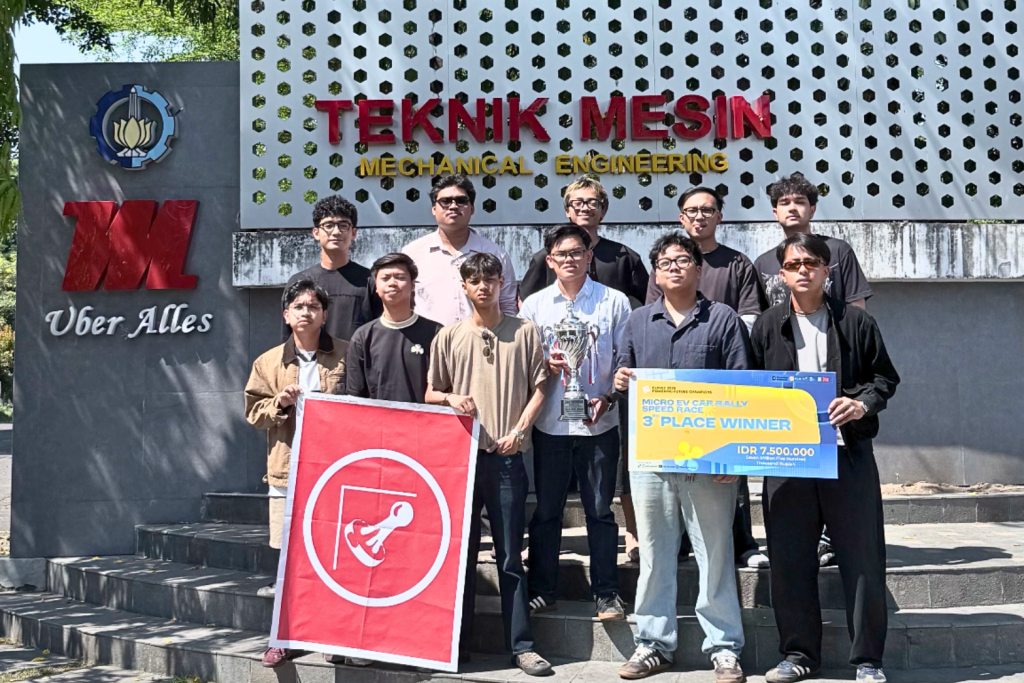
For team members, a key realization was that classroom theory serves as a foundation that must be tested and refined through practical execution. Navigating real-world manufacturing and testing introduced unexpected technical trade-offs requiring adaptability and effective communication with external workshops, event organizers, and competition judges.
These experiences broadened their perspective on what it means to be an engineer—demonstrating that engineering excellence encompasses not only theoretical mastery and CAD design, but also project execution, external collaboration, and turning concepts into functional products
Concluding the interview, the Cigadung Racing Team encouraged fellow FTMD ITB students not to hesitate in pursuing innovative ideas, particularly within the rapidly evolving electric vehicle sector.
“Bring the innovative ideas inside your head to life. As engineers, we must actively join the wave of innovation happening today. There is so much to explore—never settle too quickly, and keep learning.” said Darrel Keefa, speaking on behalf of the Cigadung Racing Team.
The Cigadung Racing Team’s journey at PLN ICE 2026 illustrates how student-led ideas evolve through structured design, fabrication, testing, and interdisciplinary teamwork—showcasing Mechanical Engineering education in action while strengthening the culture of electric vehicle innovation at FTMD ITB.
#SDG4 #SDG7 #SDG9 #SDG11