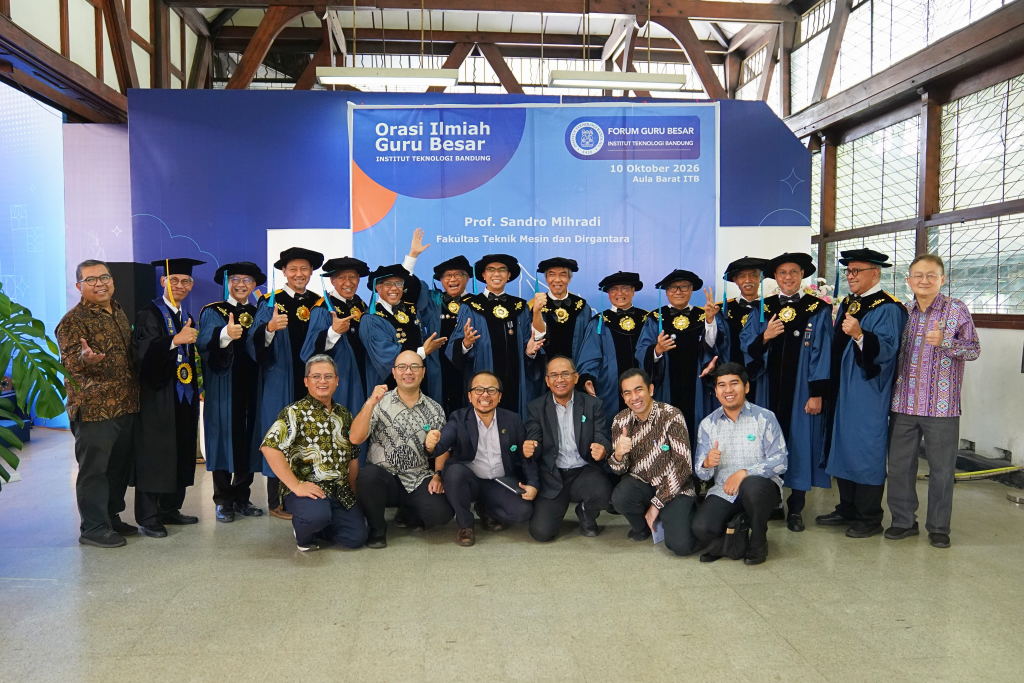
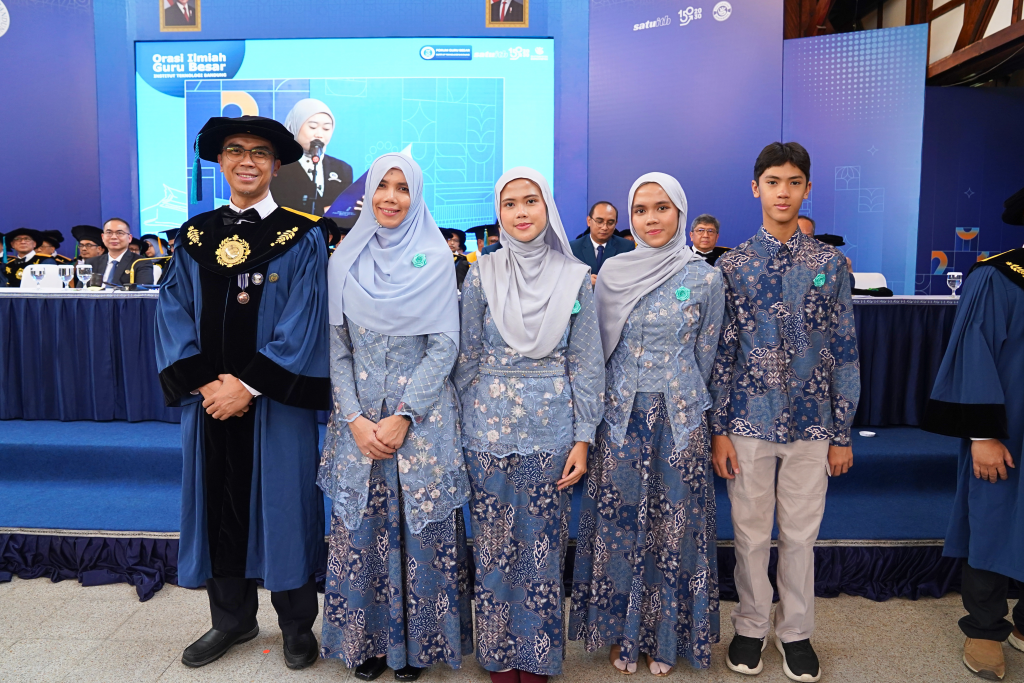
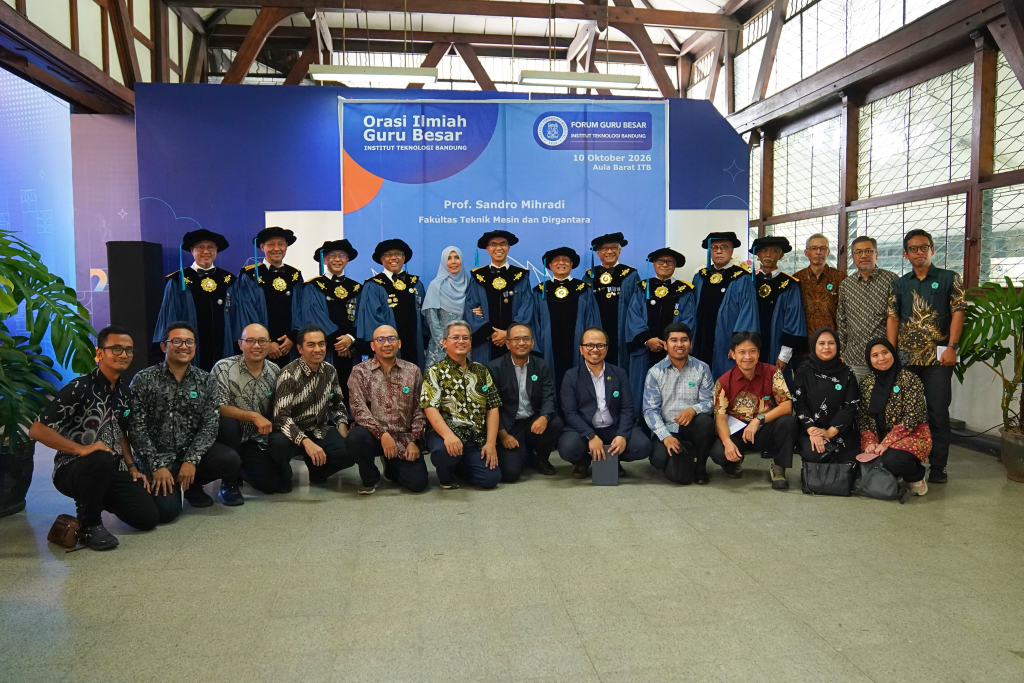
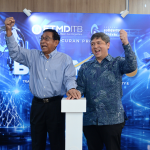
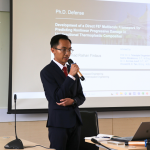
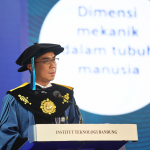
BANDUNG, ftmd.itb.ac.id – Institut Teknologi Bandung (ITB) hosted the Scientific Oration of Prof. Dr. Eng. Sandro Mihradi, IPM., from the Dynamics and Control Research Group, Faculty of Mechanical and Aerospace Engineering (FTMD) ITB, on Saturday (October 10, 2026) at the West Hall, ITB Ganesha Campus. The oration, titled “Mekanika untuk Kemanusiaan, Transformasi Ilmu Mekanika Menjadi Teknologi Kesehatan bagi Indonesia(Mechanics for Humanity: Transforming Mechanical Science into Healthcare Technology for Indonesia)” explored the development of mechanical engineering principles into healthcare technology, ranging from biomechanics and prosthetic technology to rehabilitation systems that support functional recovery and enhance human quality of life.

Through the oration, Prof. Sandro presented the journey of advancing mechanical science into biomechanics, prosthetic technology, rehabilitation systems, and medical devices designed to address societal needs.

Why Does a Mechanical Engineer Talk About Human Health?

According to Prof. Sandro, health challenges encompass not only biological and clinical dimensions, but also physical and mechanical ones. Activities such as walking, running, and maintaining balance involve motion, force, load, deformation, and bodily coordination. When an individual experiences injury, movement disorders, or limb loss, an engineering approach can help analyze these functional alterations and develop effective recovery solutions.

From Mechanics to Biomechanics and Prosthetic Technology

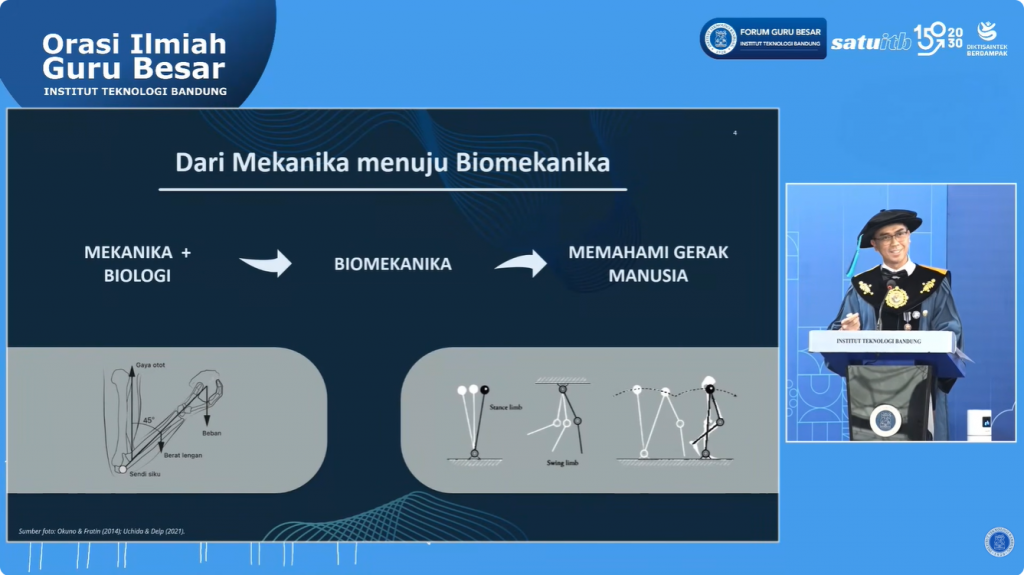
The application of mechanical principles to biological systems is known as biomechanics, enabling human movement to be quantitatively modeled, measured, and analyzed.

Mechanics + Biology → Biomechanics → Understanding Human Movement

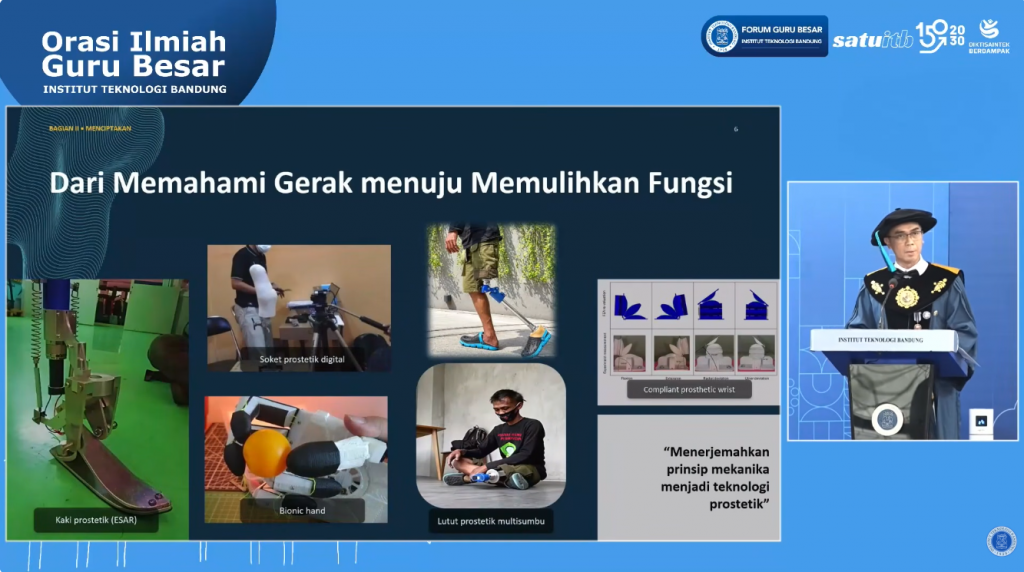
This fundamental understanding forms the basis for developing prosthetic technology—devices designed to help restore limb functionality. Research led by Prof. Sandro and his team encompasses prosthetic knees and feet, wrist and elbow prostheses, bionic hands, and digital prosthetic sockets.

The Journey of Understanding Human Movement: Quantitative Analysis of Human Motion

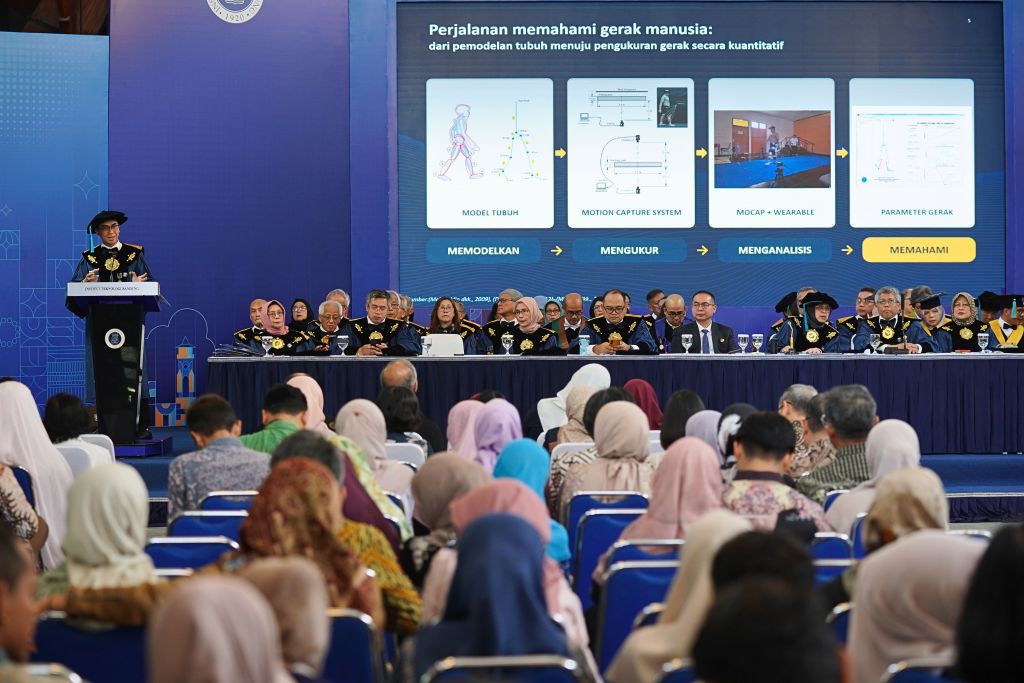
Prof. Sandro’s research evolved from two-dimensional to three-dimensional gait analysis systems. The body is represented as a multibody system—segments interconnected through joints. This model allows for the measurement of position, segment orientation, joint angles, velocity, and acceleration.

From this analysis, spatiotemporal, kinematic, and kinetic parameters are derived to assist healthcare professionals, particularly physical medicine and rehabilitation specialists, in evaluating patient motor function.

Modeling → Measuring → Analyzing → Understanding

From Movement Analysis to Functional Recovery

Understanding human movement serves as the foundation for engineering technologies that restore bodily function. Prof. Sandro’s research portfolio includes prosthetic knees and feet, wrist and elbow prosthetic devices, bionic hands, and digital prosthetic sockets.

Additionally, his team developed a lower extremity rehabilitation robot (Rehab-Bot) to support safe, repetitive, and customizable muscle strength recovery exercises tailored to user capabilities.

Designing Function Through Energy and Compliance

Each body part presents distinct mechanical requirements, necessitating prosthetic designs tailored to the specific function being restored. In prosthetic feet, the Energy Storage and Return (ESAR) principle is utilized to store energy upon impact loading and return it during push-off.

Meanwhile, prosthetic wrists and elbows are engineered using compliant mechanisms, leveraging material flexibility to replicate biological movement. For bionic hands, a six-bar finger mechanism, muscle-signal-based control (EMG), and fingertip sensors were developed to facilitate grasping functions. Research also extends to underactuated and soft robotic bionic hands.

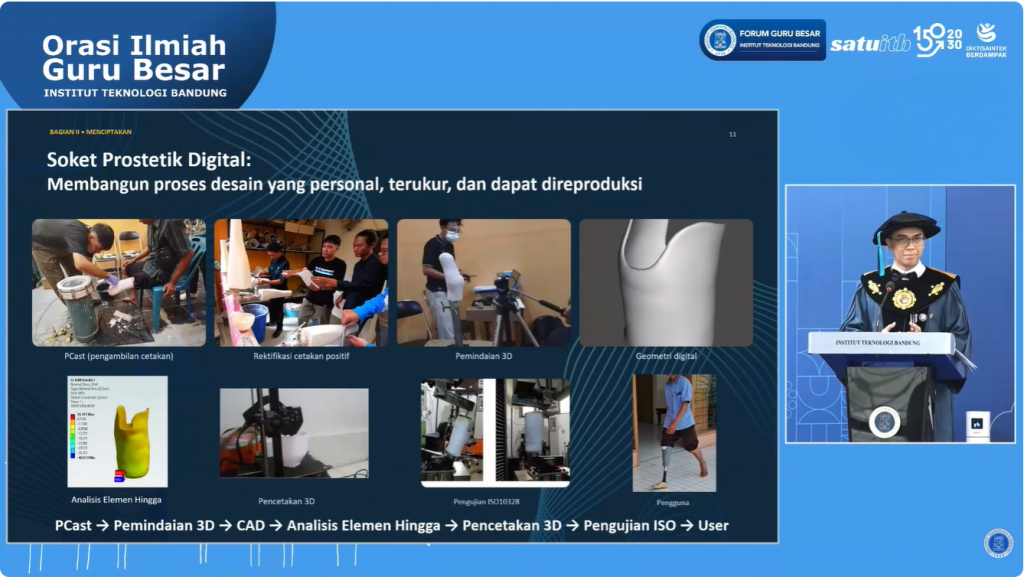
To enhance design personalization, digital prosthetic socket development integrates the following workflow:

PCast (Impression Taking) → 3D Scanning → CAD → Finite Element Analysis → 3D Printing → ISO Testing → User

This systematic approach aims to yield highly personalized, quantifiable, and reproducible prosthetic sockets tailored to individual user anatomies.

VENT-I: Transforming Urgent Needs into Innovation

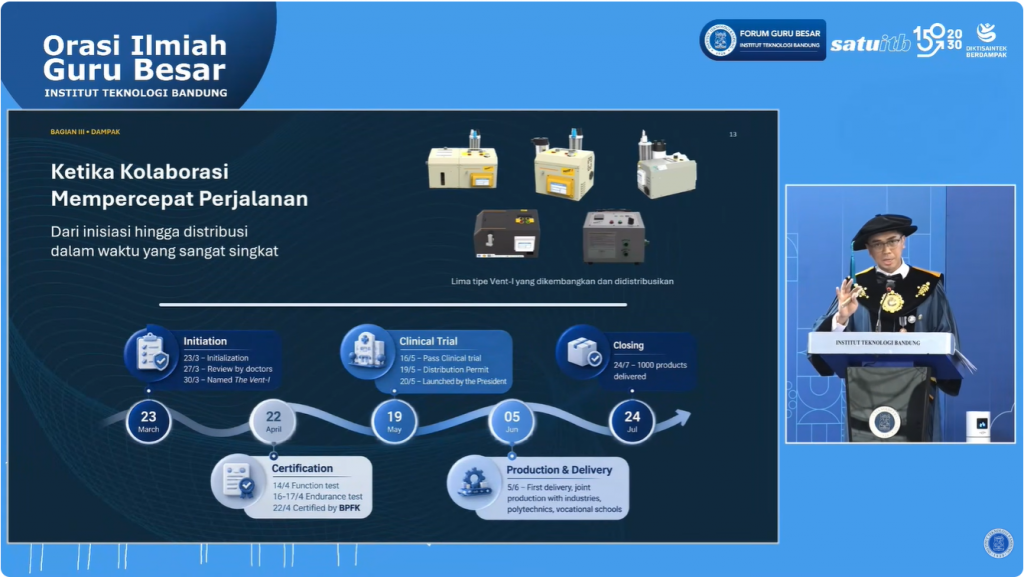
The development of the Indonesian Ventilator (VENT-I) exemplifies the application of engineering to meet urgent healthcare demands through multi-stakeholder collaboration among universities, healthcare personnel, industry, government, regulators, and the public.

Prior to distribution, VENT-I underwent rigorous phases to ensure functionality, durability, and safety:

Functional, Durability, and Safety Testing → Clinical Trials → CPAKB-Licensed Industrial Manufacturing → Distribution Permit

A total of 1,000 VENT-I units have been distributed to various regions across Indonesia. This experience demonstrates that successful innovation depends not only on technical capabilities, but also on collaborative ecosystems that support development through to public utilization.

Development and Downstream Commercialization of Healthcare Technology

Technological development does not stop once a design is completed, tested, or patented. Technology must also be consistently manufacturable, compliant with quality and regulatory standards, and aligned with end-user needs.

This is demonstrated in the development of a multi-axis prosthetic knee, which advanced to manufacturing processes—including injection molding and investment casting—alongside industrial partnerships. This progression highlights the importance of bridging research, production, quality assurance, and community adoption.

The Future of Healthcare Technology: Personalized, Adaptive, and Connected

Prof. Sandro highlighted three key trajectories for future healthcare technology: personalization, adaptivity, and connectivity. The Human Digital Twin concept allows movement data, physiological conditions, medical imaging, and wearable device data to be integrated into an individual’s digital representation. Meanwhile, AI-driven rehabilitation robots hold the potential to adapt assistance levels dynamically based on user capability.

Advancing these technologies requires a robust ecosystem connecting universities, hospitals, healthcare providers, industry, government, regulators, and society. In his research, Prof. Sandro collaborates with healthcare professionals and academics from various institutions, including Universitas Padjadjaran, Hasan Sadikin Hospital, The University of Melbourne, and Hokkaido University.

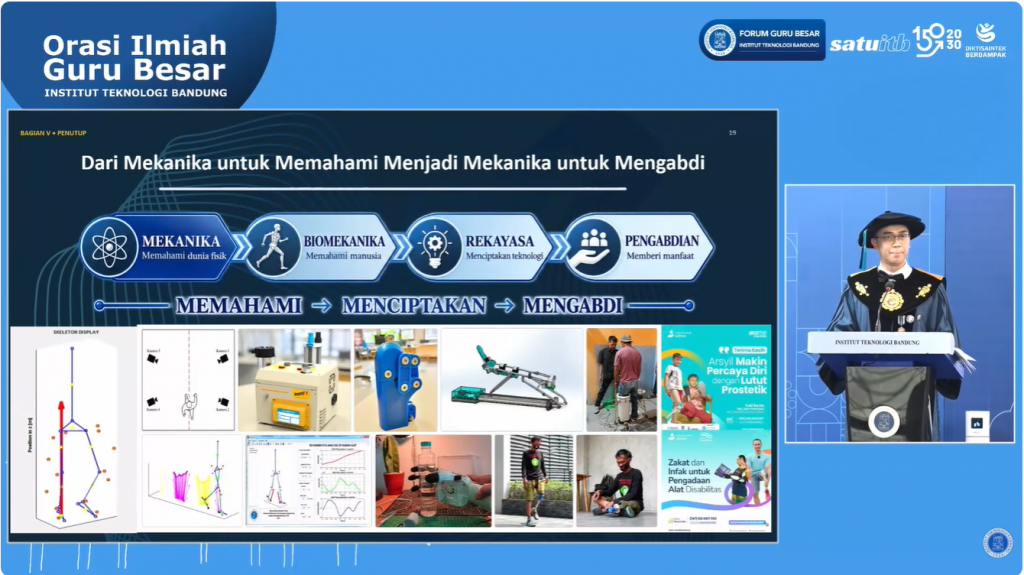
Mechanics for Humanity: Science in Service

Through biomechanics and engineering, the understanding of human movement is translated into prosthetic technology, rehabilitation systems, and medical devices. Prof. Sandro summarized his academic journey as follows:

“This scientific journey is summarized as a transformation from mechanics to understand, into mechanics to create, and ultimately mechanics to serve,” he stated.

Prof. Sandro’s dedication to research is reflected in 58 research grants, 24 as principal investigator and 24 funded by the Ministry, along with 9 Intellectual Property Rights (IPR) holdings based on profile data. In academic mentorship, he has guided over 100 undergraduate students, more than 20 master’s graduates, and 2 doctoral graduates.

His accolades include the Disability Technology Innovator Award at Salman Techno Fest 2022, the Gold Award in the Medical Device Category at the Indonesia Healthcare Innovation Awards (IHIA) V–2021 with the VENT-I Team, Metro TV’s People of The Year: Scientific Breakthrough Against Pandemic in 2021, and the Outstanding Lecturer Award in Innovation from ITB in 2016. He was also awarded the 10-Year Satyalancana Karya Satya honor medal in 2021.

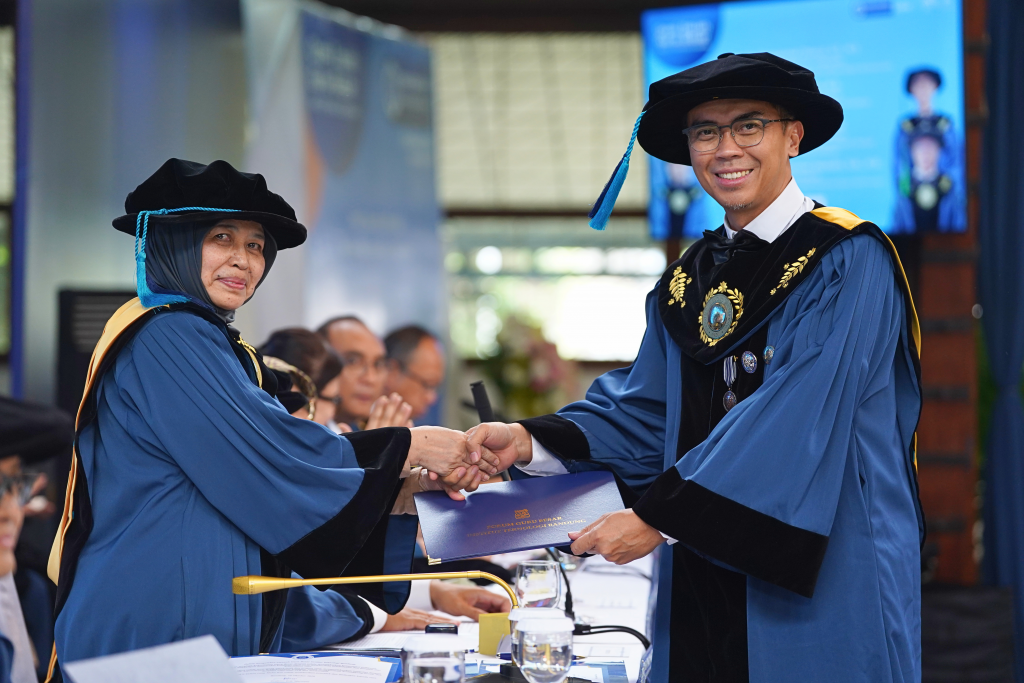
Code of Honor Recitation by Prof. Dr. Eng. Sandro Mihradi, IPM.

Closing his oration, Prof. Sandro expressed sincere gratitude to his family, teachers and mentors, research colleagues, and ITB leadership and staff—including the faculty members and education personnel of FTMD ITB—who supported his academic and research journey. The event concluded with the reading of the code of honor.

Through this scientific oration, Prof. Sandro’s insights and experience are expected to inspire human-centered healthcare technology development. May mechanical and engineering sciences continue to produce innovations that restore function, enhance independence, and deliver lasting benefits to society and the nation.

#SDG3 #SDG9 #SDG10 #SDG17