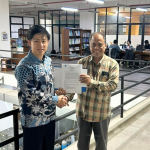
FTMD ITB Conducts Departmental Governance Benchmarking Visit to Mechanical Engineering FTUI
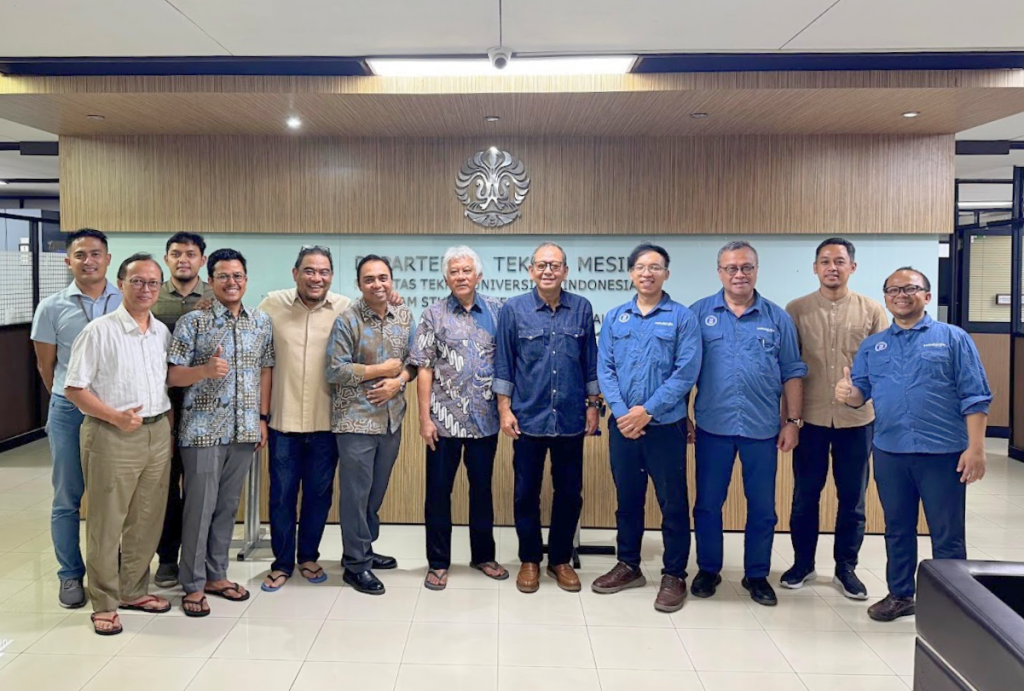
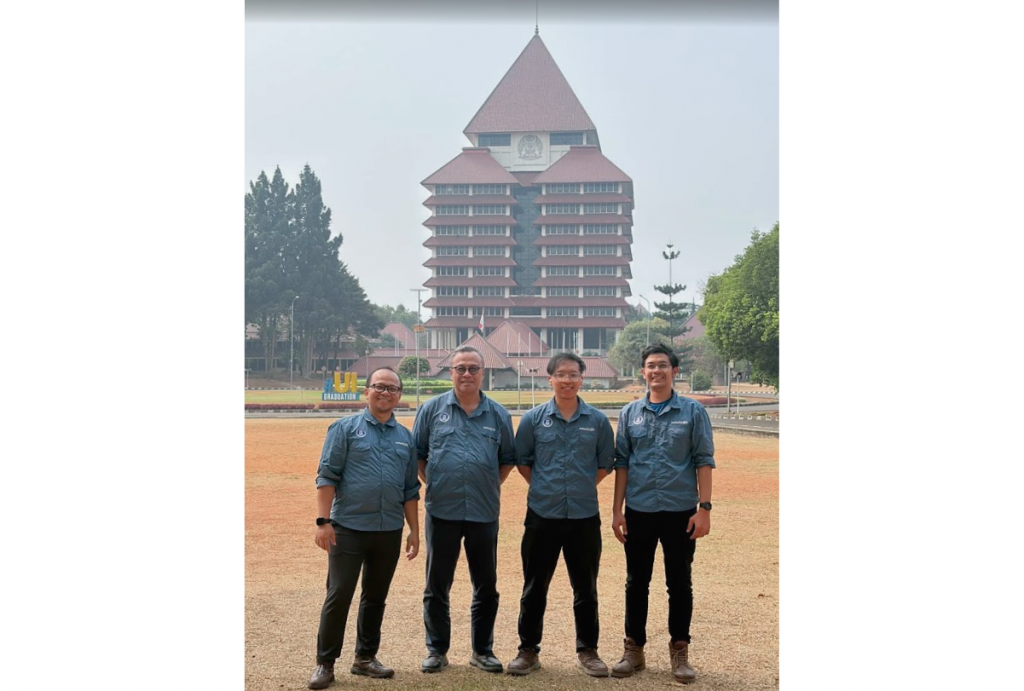
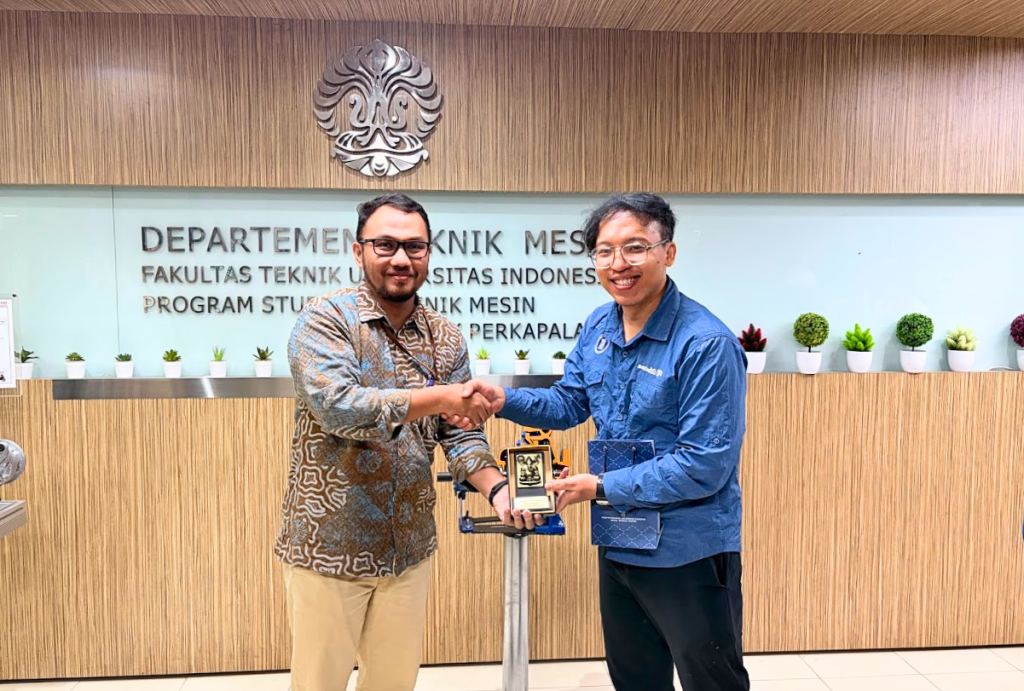
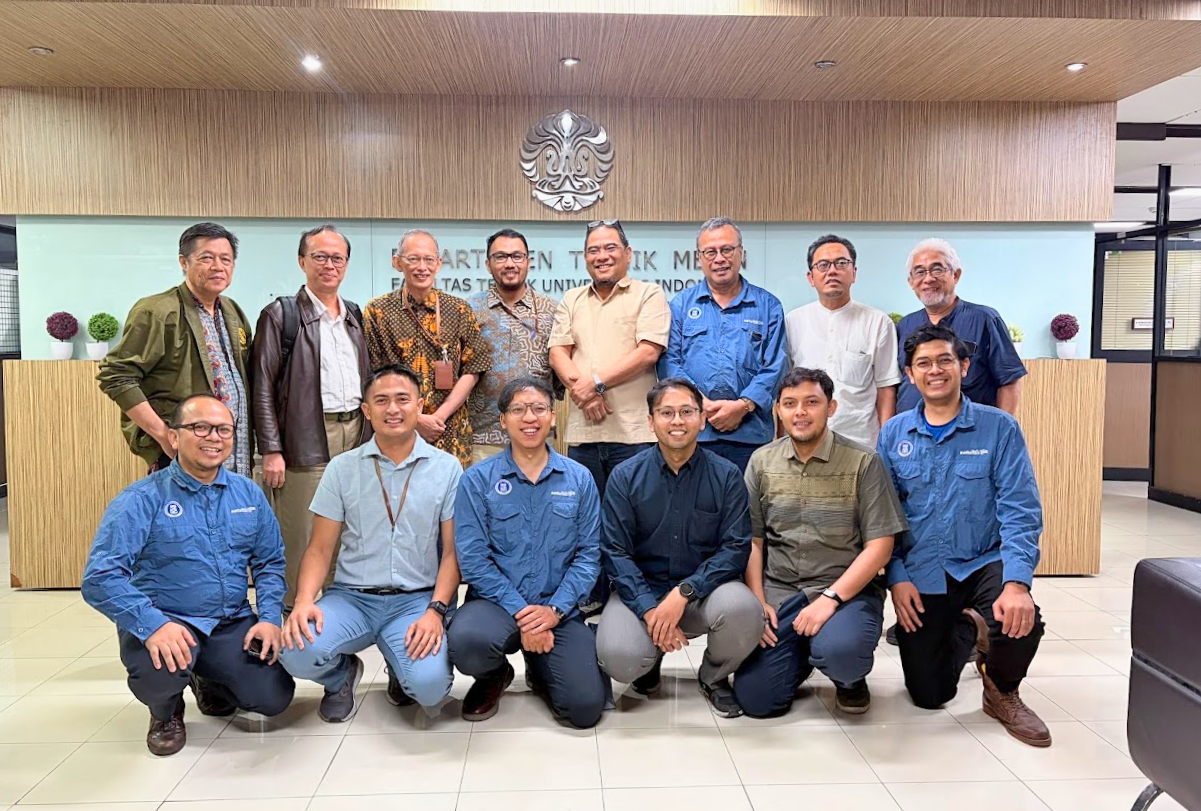
DEPOK, ftmd.itb.ac.id – The Faculty of Mechanical and Aerospace Engineering (FTMD) Institut Teknologi Bandung (ITB) conducted a benchmarking visit to the Department of Mechanical Engineering, Faculty of Engineering, Universitas Indonesia (DTM FTUI) on Thursday (September 11, 2026) at the UI Depok Campus. This visit served as a benchmarking initiative to gain reference insights regarding departmental governance, research group development, and the management of laboratories and academic support units.
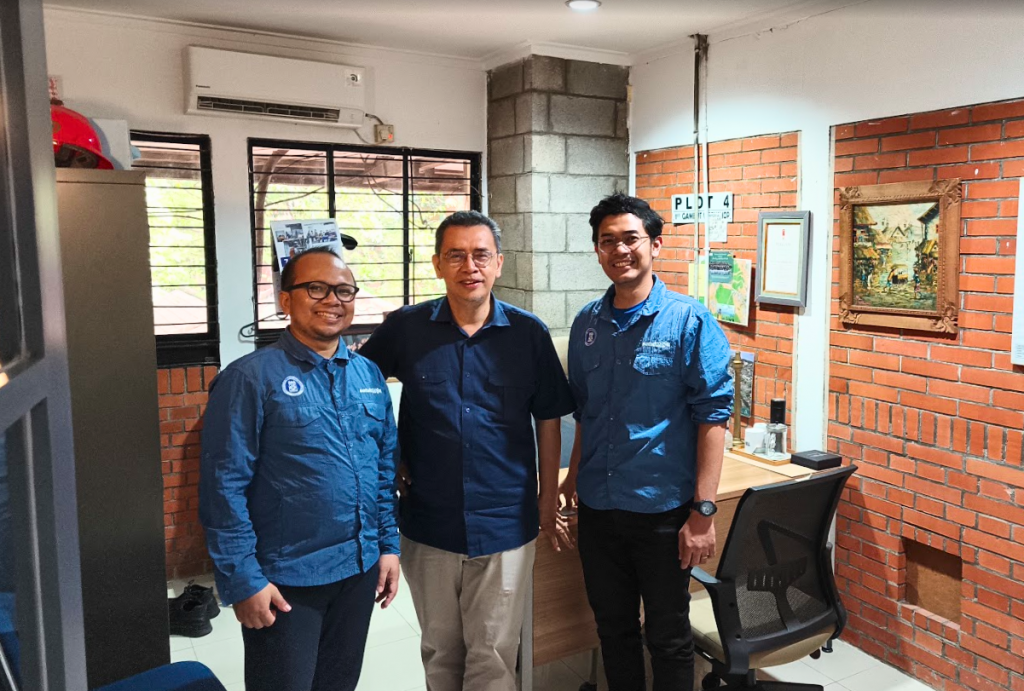
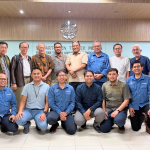
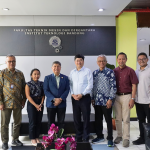
The FTMD ITB delegation comprised Prof. Ir. Ari Darmawan Pasek, Ph.D.; Dr. Eng. Ir. Firman Bagja Juangsa, S.T., M.Eng.; Dr. Eng. Gea Fardias Mu’min, S.T., M.T.; Dr. Eng. Achmad Rofi Irsyad, S.T., M.Eng.; Ilman Nuran Zaini, S.T., M.Eng., Ph.D.; and Dr. Adrian Rizqi Irhamna, S.T., M.T., Ph.D. Meanwhile, DTM FTUI was represented by departmental leadership, professors, and faculty members across various disciplines.
The meeting commenced with a presentation by Dr.-Ing. Ridho Irwansyah, S.T., M.T., Secretary of the Department of Mechanical Engineering FTUI, outlining the department’s structure and governance. A central topic was the transformation of educational laboratories into research groups, enabling laboratories to serve not only practical coursework but also productive research hubs delivering measurable outputs.
During the discussion session, the FTMD ITB delegation explored the mechanisms for establishing and structuring research groups at DTM FTUI. DTM FTUI outlined the distinction between faculty-level Research Centers and department-level Research Groups, emphasizing research focus alignment to prevent overlap between units. This discussion provided valuable insights into how research group structures can be organized and developed to advance departmental research activities.
Beyond research groups, discussions covered the role of Subject Groups (Kelompok Ilmu/KI) and the Board of Professors in supporting departmental operations. DTM FTUI maintains three Subject Groups that serve as forums for managing academic activities and research mapping. Meanwhile, the Board of Professors plays a crucial role in proposing and assessing candidates for academic promotion to full professor.
Another aspect addressed was the governance of the P2M (Research and Community Service) unit as a support mechanism for external activities and partnerships. Discussions encompassed organizational structure, financial management, oversight mechanisms, and external cooperation frameworks. DTM FTUI’s P2M unit is managed with professional support staff and administrative systems that ensure sustainable operations while reinforcing the department’s academic activities.
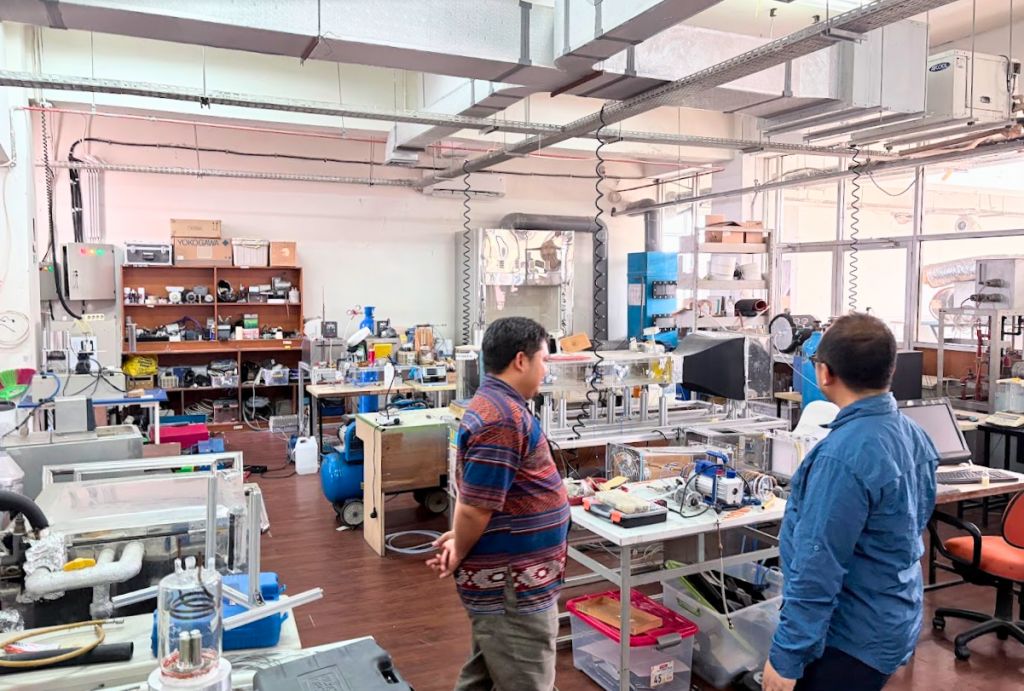
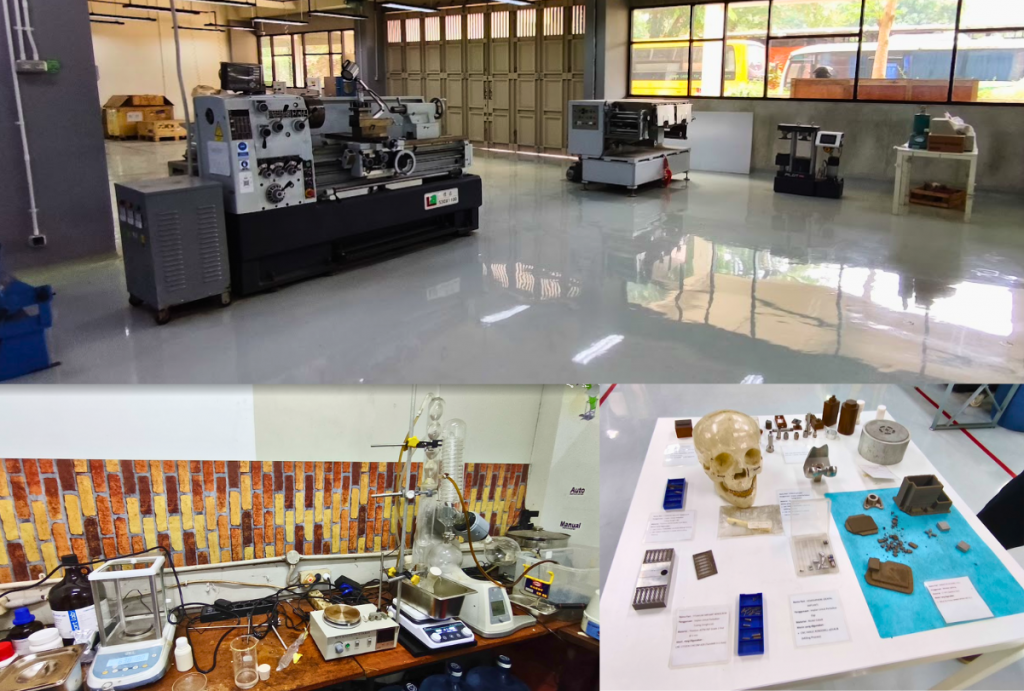
Following the discussion session, the FTMD ITB delegation participated in a laboratory tour of the Energy Conversion Subject Group at DTM FTUI. During the tour, delegates received overviews of practical sessions, research topics, and the integration of laboratories with research groups. The delegation also inspected various research facilities, including lab-scale test equipment and research prototype installations.
The laboratory visit demonstrated a shared facility management model utilized by faculty members with related research interests, while concurrently serving as a workspace for student research. This model highlights the interconnectedness of laboratories, research activities, and research groups in supporting the department’s academic mission.
In addition to serving as a platform for sharing experiences in departmental governance, this benchmarking activity provided momentum to discuss opportunities for strengthening academic and research networks in energy and thermal-fluid engineering. Based on the discussions, two primary collaborative opportunities were identified: hosting the 39th International Symposium on Transport Phenomena (ISTP-39) in 2029 in Indonesia, and strengthening Indonesia’s participation in the Asian Union of Thermal Science and Engineering (AUTSE).
These opportunities offer a platform to expand academic and research collaboration while reinforcing the networks of both FTMD ITB and DTM FTUI within the international scientific community. By hosting scientific forums and participating in these scholarly networks, both institutions can unlock greater opportunities for knowledge exchange, joint research, and collaborative academic activities.
Through this visit, FTMD ITB not only gained direct reference insights into departmental governance practices, research group development, and laboratory management, but also opened avenues for strengthening cooperation in academic and research domains. The outcomes of this benchmarking initiative are expected to serve as valuable insights and considerations for FTMD in bolstering governance, enriching its research ecosystem, and expanding its academic networks at both national and international levels.